As an amigurumi designer, one of the fruits of my work is the finished crochet pattern. By the time a crochet pattern reaches the public a the designer tests it with at least one person to see if it can actually be made or if there are errors in the sample. Of course, this does not mean that if a sample has not been tested, it cannot be good, but it is important to test it in order to avoid errors. There are situations when sample testing is not possible, e.g. a secret CAL character or because of the simplicity of the figure, testing is not justified, or if the crochet pattern is published for free. This evening, the first crocheters are actually the testers of the pattern. So what does sample testing mean and who can apply as a tester? Continue reading the article and you can also find out who is a good crochet pattern tester.

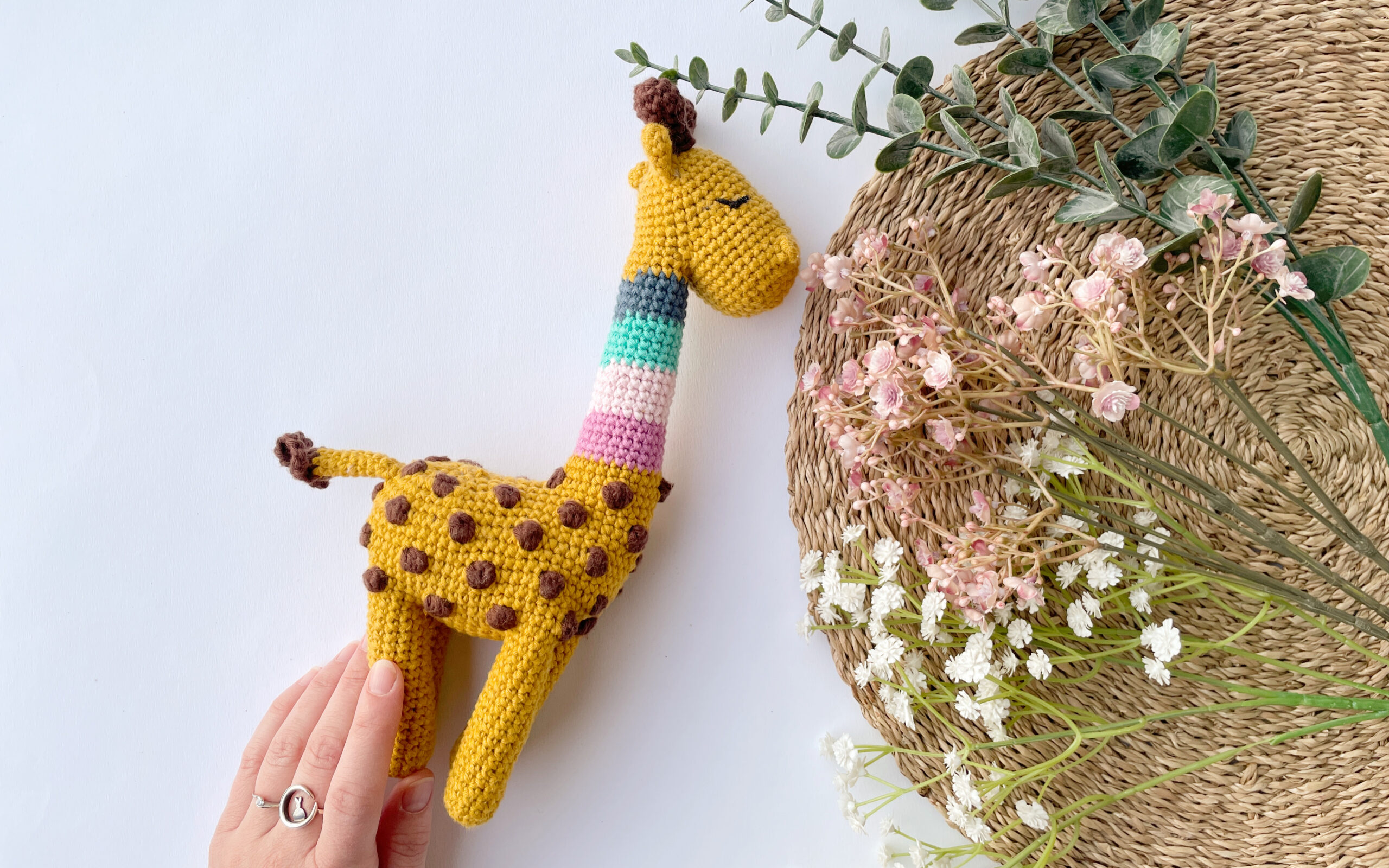
Photo: Own (Rebeka Novák-Szabó ev)
Why is it necessary to test crochet patterns?
The benefit of crochet pattern designers is that when a pattern is ready, it posts the testing invitation in the usual way. By the completion of the crochet pattern, I don't just mean that the designer has typed in the stitch numbers and the instructions, but also made a photo and/or video illustration for the more difficult parts or those that require more explanation. Like all people, designers make mistakes, and if you read a document several times, there is a chance that you will slip over typos. Sometimes it even happens that a samplehas wrong cell numbers, so that before his debut worth the in exchange for a crochet pattern to ask lay crocheters for it to crochet. This process allows the designer to ensure that their design is error-free and that their new creation is ready for sale or publication. The testing process helps the designer produce a crochet pattern that is ready for the crochet pattern market and is near flawless. Not by the way with this it also conveys to its customers that quality and customer satisfaction are important to it. After all, who wouldn't be annoyed if you buy a crochet pattern and it has tons of mistakes. Of course, there is still the possibility of this after testing, but on the principle that more eyes see more, this can be minimized.
The testing process can be important not only for fixing bugs designer for, but you get instant feedback from crocheters on your new pattern. As a result of the feedback lit can be polished further the given sample, its the designer has the opportunity to clarify and supplement it based on the experience of the testers. Test crocheting often helps the designer to see his pattern from a different perspective. Sometimes what is basic for a designer is not for a less experienced crocheter. With these tidbits of information, the testers help the designer create their pattern in a way that even novice crocheters can use it. Personally, I always try to look at my patterns with the eyes of a beginner crocheter, even if the level of the pattern is not for absolute beginners. From the design side, in addition to improving the quality of the sample testing is also about community building. During each tester call, the designer can not only get to know the tester crocheters better, but also meet the profiles or works of other crocheters whom he has not met before. This also gives designers the opportunity to get to know the crocheters' work, style and creations better.
The process of testing a crochet pattern
Testing of a crochet pattern starts with a call for testers issued by the designer, which he announces on one of his platforms. Call for sample testing you need to cover several criteria and aspects so that the crochet community knows what expectations they should meet when testing. It is typically recorded by designers the difficulty level of the crochet pattern, the figure gave her time to crochet and it usually is recommended yarn also if it is important for the creation of the figure. In addition, it is usually a condition that a at the end of the process, the created figure must be shared with the crochet community as specified in the invitation. After the testing call appears crocheters apply for the testing call according to the conditions. Then selected by the designer based on the toys already made by the crocheter, that who you select for testing.
There is a designer who during the tests, she met a few reliable crocheters whose help she knows she can count on, so she usually tests her patterns with the same crocheters. However there is also a designer who is always looking for other testers to your patterns, so you can always give other crocheters a chance to try their hand at this role. Personally I am expanding the camp of the latter. I often choose a crocheter among the testers who I know has been actively following my page for a long time, so I would like to take this opportunity to thank her for her kindness. Naturally each time the pattern and its level of difficulty are decisive. THE based on shared works, the designer in most cases can judge that the applicant is a crocheter by the specified deadline can you make the figure?.
What is a good crochet pattern tester?
First of all, I would like to start by answering the question of who can be a crochet pattern tester. Anyone who can crochet. It is difficult to define exact characteristics of what a good crochet pattern tester is, since there are as many of us as we think, see, and feel in so many different ways. However, I still think so there are key things to consider as a tester, before anyone submits their application for a testing call.
Why is it worth signing up as a tester? Of course it is free sampleoutside of the tester you can get to know the designer better, you can gain insight a little behind the scenes, and a more direct relationship can also develop between them. Besides the crocheter can gain experience as to whether he knows his skill level well, and that what deadline to prepare a piece. I think it's not just a test challenge, but exciting adventure also for a crocheter. What are the key characteristics of a good tester, in my opinion, I have summarized in points below.
A good crochet pattern tester:
- Read and familiarize yourself with the testing invitation and finds out about the conditions, fulfills them during the application.
- Can you consider that do you actually have time to test and she liked not only the given figure, which she would like to crochet.
- He has the raw material necessary for its preparation, or it is easily available for him (you do not start purchasing it from an online store after being selected for testing).
- Can you read a pattern, to interpret or in the case of a video pattern, you can easily crochet from it.
- In the case of a written sample characterized by thoroughness, he also reads through all the parts that are not necessary for him to make the sample (e.g. explanation of the figures needed to describe certain techniques).
- You can ask for help if you have any questions, and dares to approach the designer with the problem that has arisen.
- A crocheter who not only does it make the figure/crochet piece, but also gives feedback to the designer about the errors found, or about where it could possibly be complete the sample for better understanding.
- The one who can make it on time the crochet from the pattern and, if it was a condition of the call, he shares his own figure with the public accordingly.

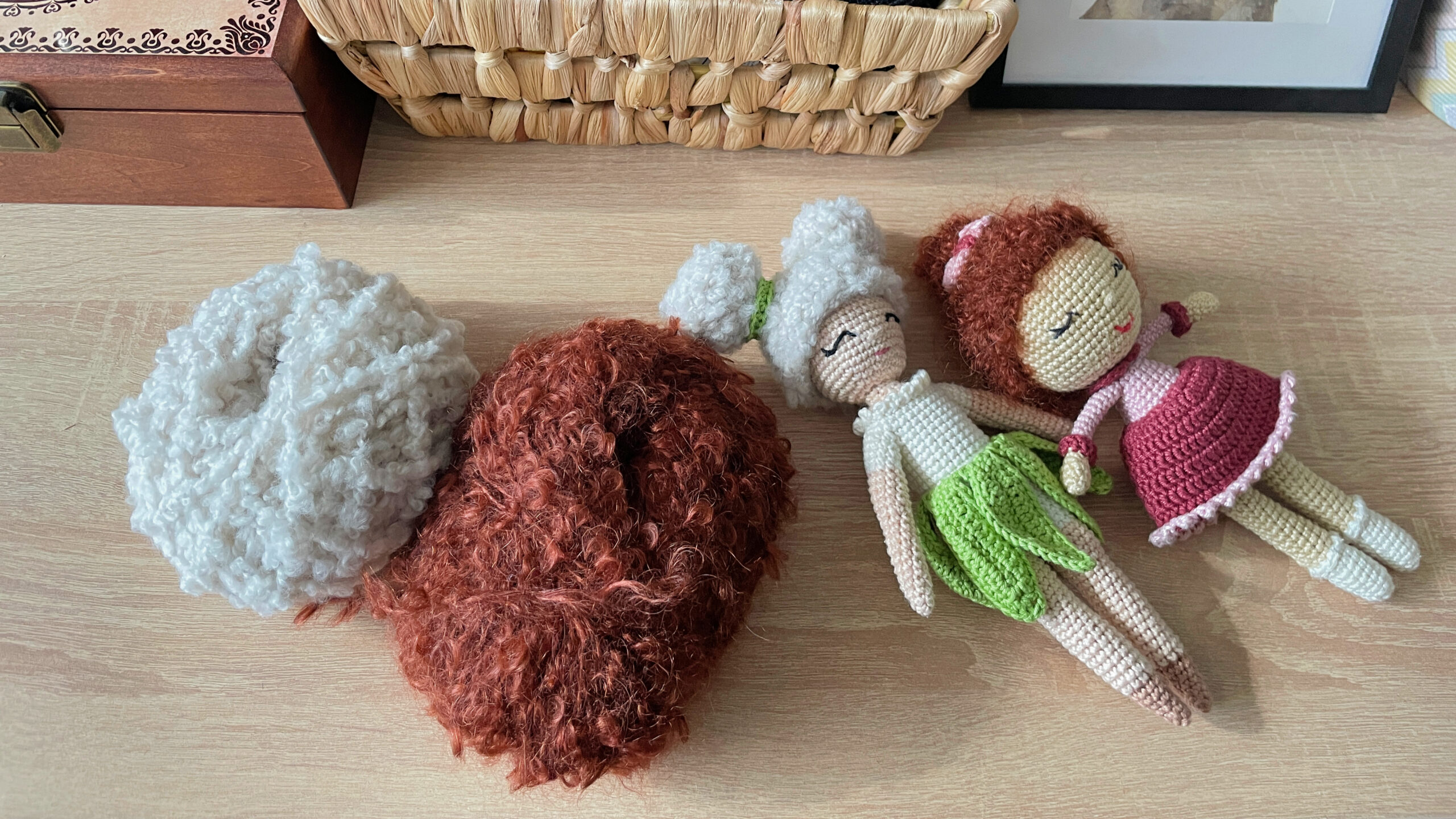
Photo: Own (Rebeka Novák-Szabó ev)

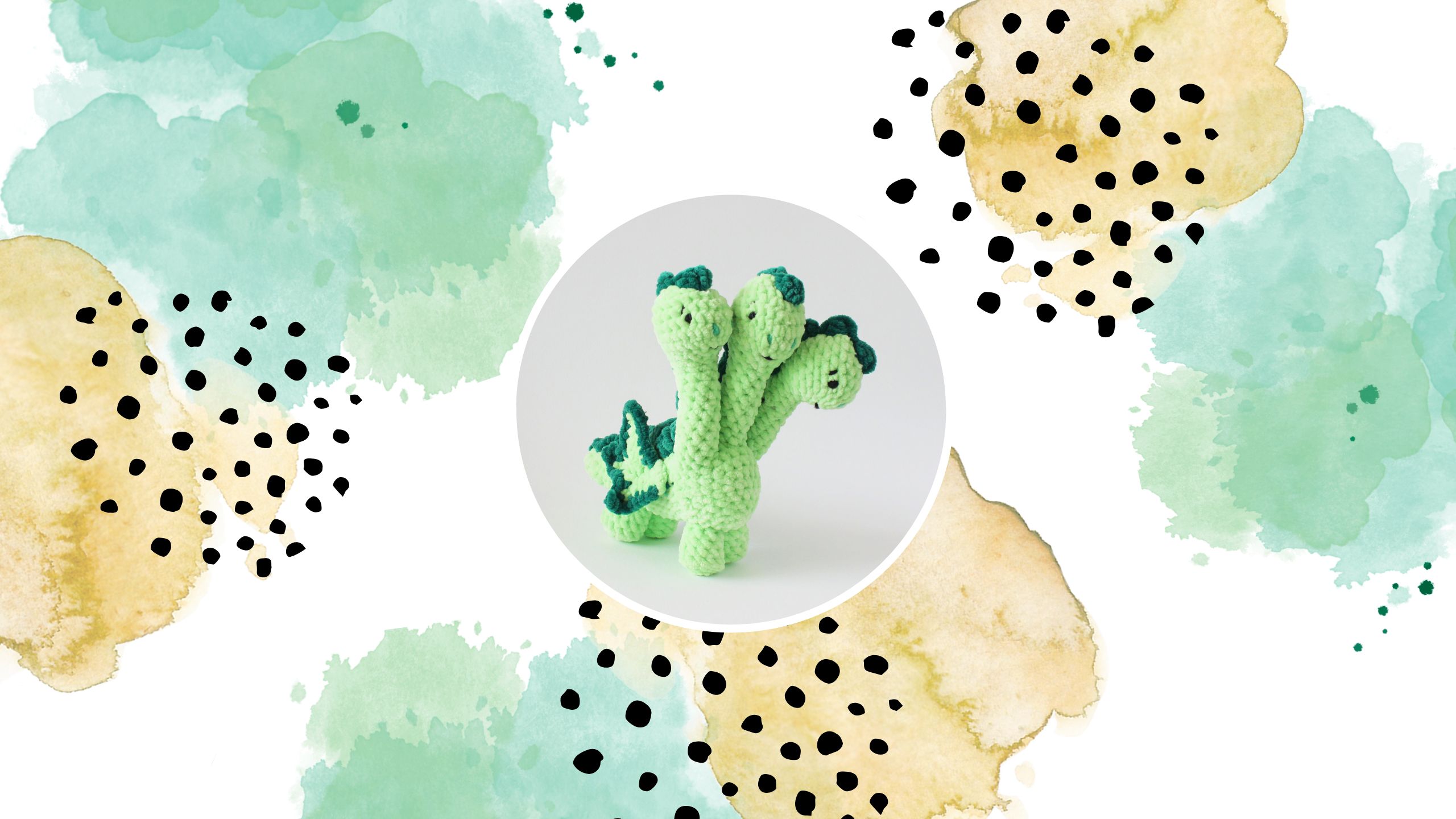
Photo: Own (Rebeka Novák-Szabó ev)
The other side of the coin – testing through the designer's eyes
The dark side of crochet pattern testing
Tas a farmer, unfortunately I've run into crocheters of all kinds of habits and thoroughness, that's how it was each test involved tension and annoyance. THE worst contingency that may happen if someone doesn't make it at all the sample intended for testing during the testing period. Not only did he not give the designer the help he was hoping for, but the crocheter who applied took away the opportunity from others. The only thing worse than this is - unfortunately, I've already had an example of it - that the tester disappears after sending the sample and doesn't respond to messages either. These cases certainly give the designer the feeling that he made a bad decision in the selection.
It also affects designers badly if the selected tester gives up crocheting or does not crochet by the deadline. Let's say the latter case is far from such a tragedy, since the testing itself will be completed, even if not by the planned deadline, as stated in the invitation. However, even in this case, the testing leaves behind a little disappointment, since the designer expected to be able to publish his sample at the time he planned. I think that, as a designer, a flexible attitude is important in this case, because anything can happen in the tester's life, because of which, say, he cannot complete the task by the deadline.
Which, as a designer, was often difficult for me during testing when does not adequately assess the applicant's knowledge of the crochet level. In such cases, however, there is a positive side to the testing: the crocheter can better assess the level of knowledge in the future, and he also receives feedback on where he can further develop in his hobby. After all, no matter how I look at it, crocheting is a challenge at the same time, and everyone has room for improvement.
What was also negative during the tests was that a the tester didn't even look carefully at the figure posted for testing, nor the listing and he realized that it was after the selection he did not usually use a given yarn. As a lesson from the tests, I always ask the applicants what yarn they plan to crochet the figure with. If the tester's choice differed from the yarn specified in the sample, we were always able to find a common denominator, so that the crocheter can also work with his favorite yarn, but this should not come at the expense of testing. THEit is generally not a problem if the tester works with a different yarn, but this must be clarified with the designer to see if the modification is suitable for him as well.
What I tend to complain about is when someone changes the pattern during testing, crochet or make something differently, maybe he brings his creativity to such a level that the essence of testing is lost. The problem is not if, for example, the figure receives an accessory or is made in a different color (although this also depends on the model), but if the tester basically makes changes in the eye numbers. This is not a problem for a purchased sample, however during testing, it is important to make the figure that is included in the sample. Which is usually very difficult for me, when someone feels it is their task to criticize a model. Constructive suggestions and recommendations are useful for all designers, however, comments on abbreviations and sample structure do not sit well. As I have experienced every designer has a style and not only in crocheting, but also in making the pattern, which you are unlikely to want to change.
The bunnymoonHU amigurumi crochet patterns are basically made for digital use, so its structure and clickability also serve this purpose. The abbreviations regarding I received feedback that they differ from the usual, however, those who know my patterns know that I don't work with simple short sticks, I only work with their propagation and consumption, but typically more complex crochet techniques are hidden in my patterns. Because of this it was important to find a solution that would make the production process clear to everyone, even if it differs from the abbreviations of the average descriptions. Typically, I hide a little trick or technical twist in each of my patterns so that the crocheter learns something new. It is important to me that my patterns not only provide experience, but also knowledge for crocheters.
Positive experiences with testing
During the crochet pattern tests, I feel that I always get ideas and advice that I hadn't thought of before and there were some that I later included in all my patterns because I found them so useful. Often I got feedback from the testers (and from sample buyers as well) that they learned something new from the sample that they can take with them to the next project, or there were some specifically pleased with the structure of the sample, because of its clickability he could handle it digitally more easily than other samples.
Fortunately, the previously outlined negatives are less common. In the vast majority of the tests, I met crocheters who conscientiously fulfilled their task as testers, and to this day I would gladly ask most of them to test a new pattern of mine. Testing the pattern is always an exciting time for me, as it not only reveals whether I have "done my job well", but also I can meet people who also indulge in the same hobby as me. This gives the experience of belonging to a community, which is an uplifting feeling.
Summary
A crochet pattern test is not only about the designer giving the pattern to selected crocheters for free, but also serves a very important purpose. With the testing process you can contribute as a tester so that others can crochet from quality patterns. On top of that you can also push your own limits, because during the testing you will test your own skills in crocheting for time. THE for a designer the crochet pattern testing is extremely important and essential, as this gives you feedback on your work, as well as the opportunity to correct or supplement the material intended for publication. Thanks to the tests, the number of negative feedback and dissatisfied customers related to the samples can be reduced to a minimum. For me, feedback from testers and customers is the most important. I would like every crocheter to have a sense of success and joy with a figure made from my pattern. After all, this is what our hobby is all about: CROCHET.