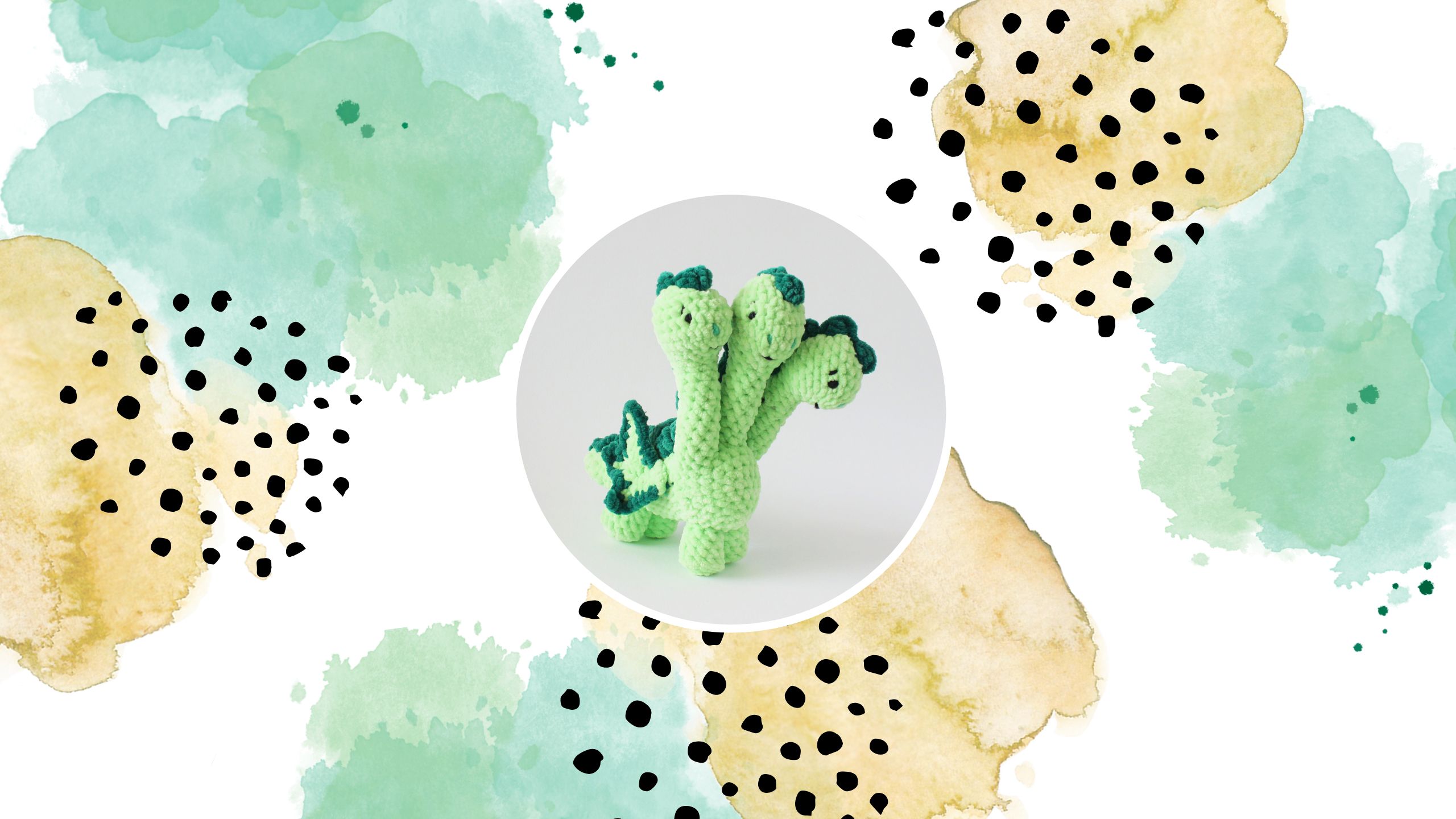
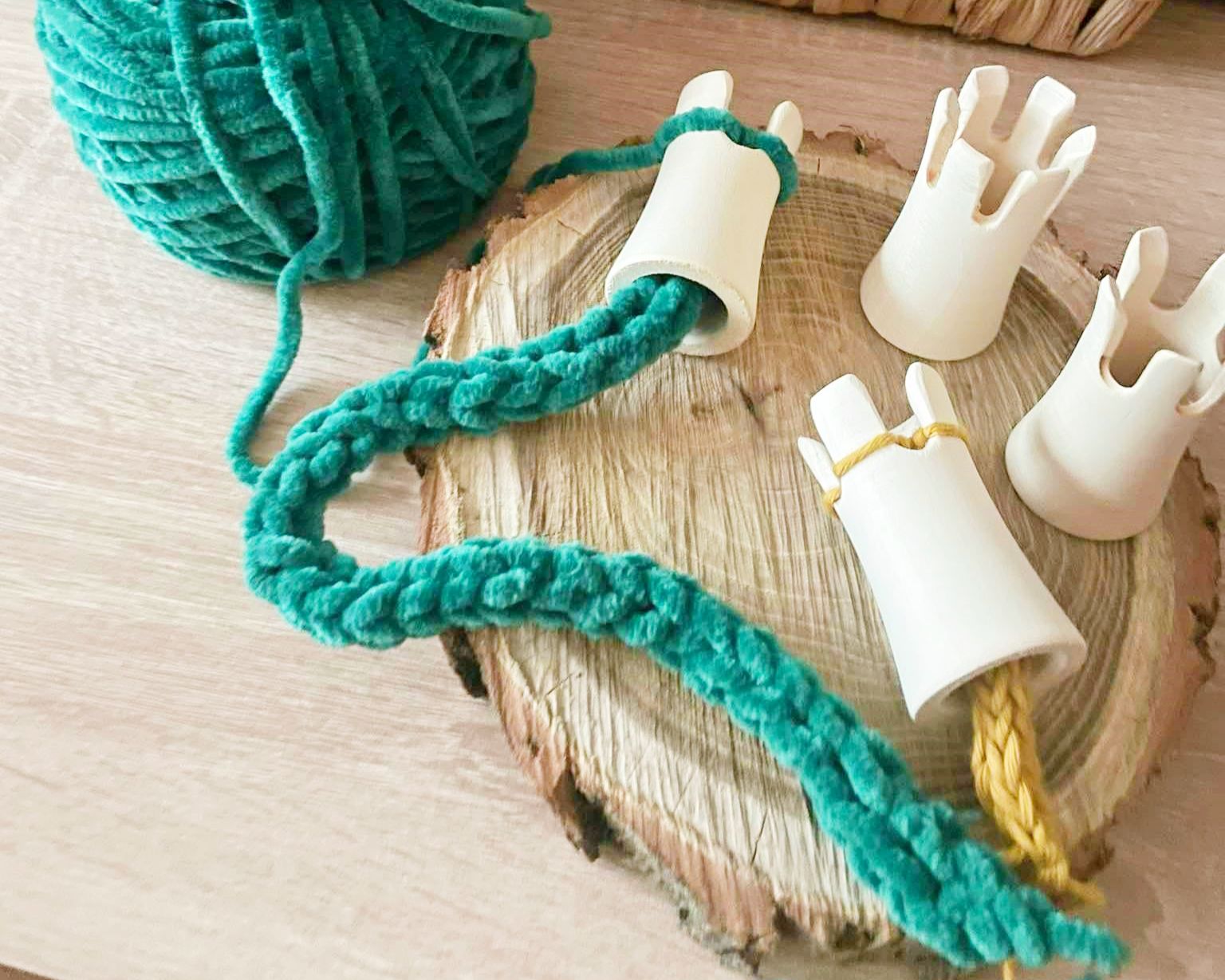
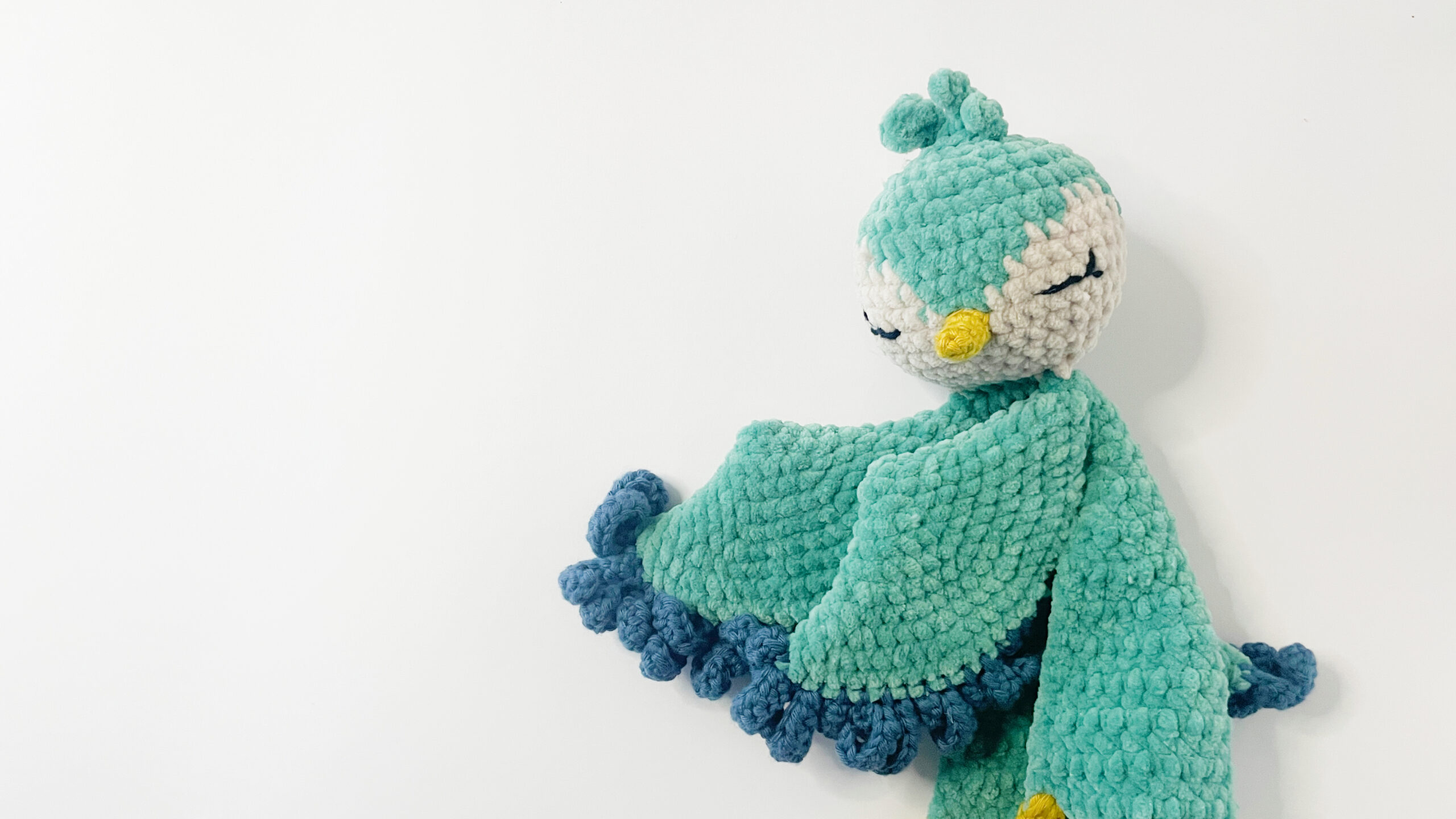
Wolans Bunny Baby (100g/120m, 100% polyester)
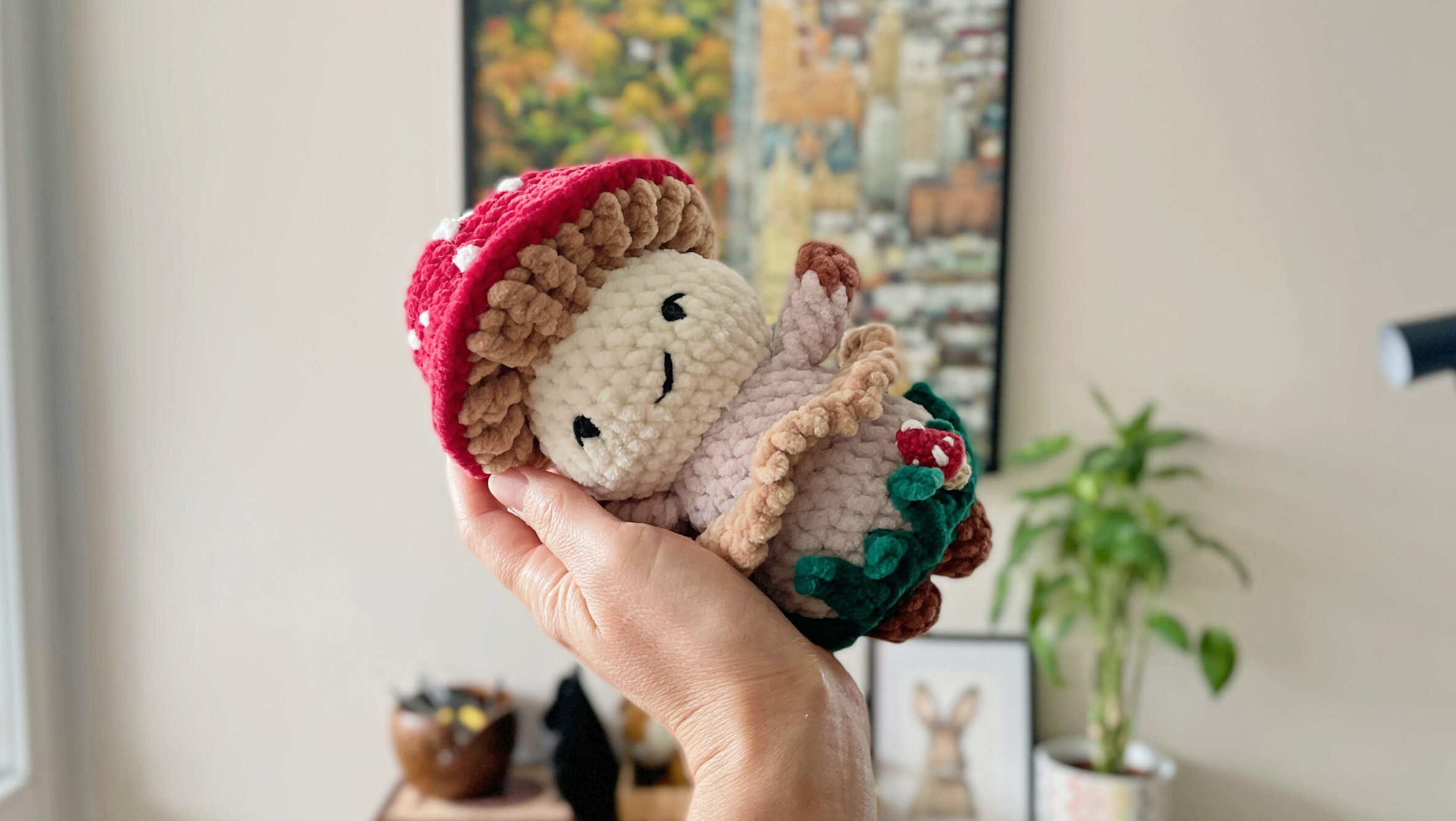
Among the chenille yarns of the Wolans yarn brand, I tried Bunny Sweater for the first time In 2021, when I was looking for a thinner chenille yarn than the Himalayan Dolphin Baby. The first skein I got from it was a shade of gray, which I made for my little son for his nursery Snooze Bunny. Since this was a thinner yarn, I first had to find the right needle size to make the swaddle. The 3-3.5 mm crochet hook worked best for the Bunny Sweater, so I made the crochet sleeper with that. Unfortunately, the yarn was a bit of a disappointment for the first crochet, because it was almost impossible to sew with it, it became very fluffy and quickly became bald. Since then, this yarn cannot be purchased, at least based on my experience, there is no yarn online store in Hungary where it is available.
Later on I set my sights on Bunny Baby, because I was glad that has similar parameters as a Himalayan Dolphin Baby. I often had problems because the local store ran out of the color I needed for my project, but there was a wide range of colors available from Wolans yarns. However, the previous negative experience with the brand held me back. I finally gave this yarn a chance and bought a few skeins from Bunny Baby. Currently, the my temperature blanket is being prepared of this yarn, for which I bought 11 skeins as a starter kit.
I will share with you what experiences I have had with this yarn. Below I present what I think are the pros and cons of this yarn.
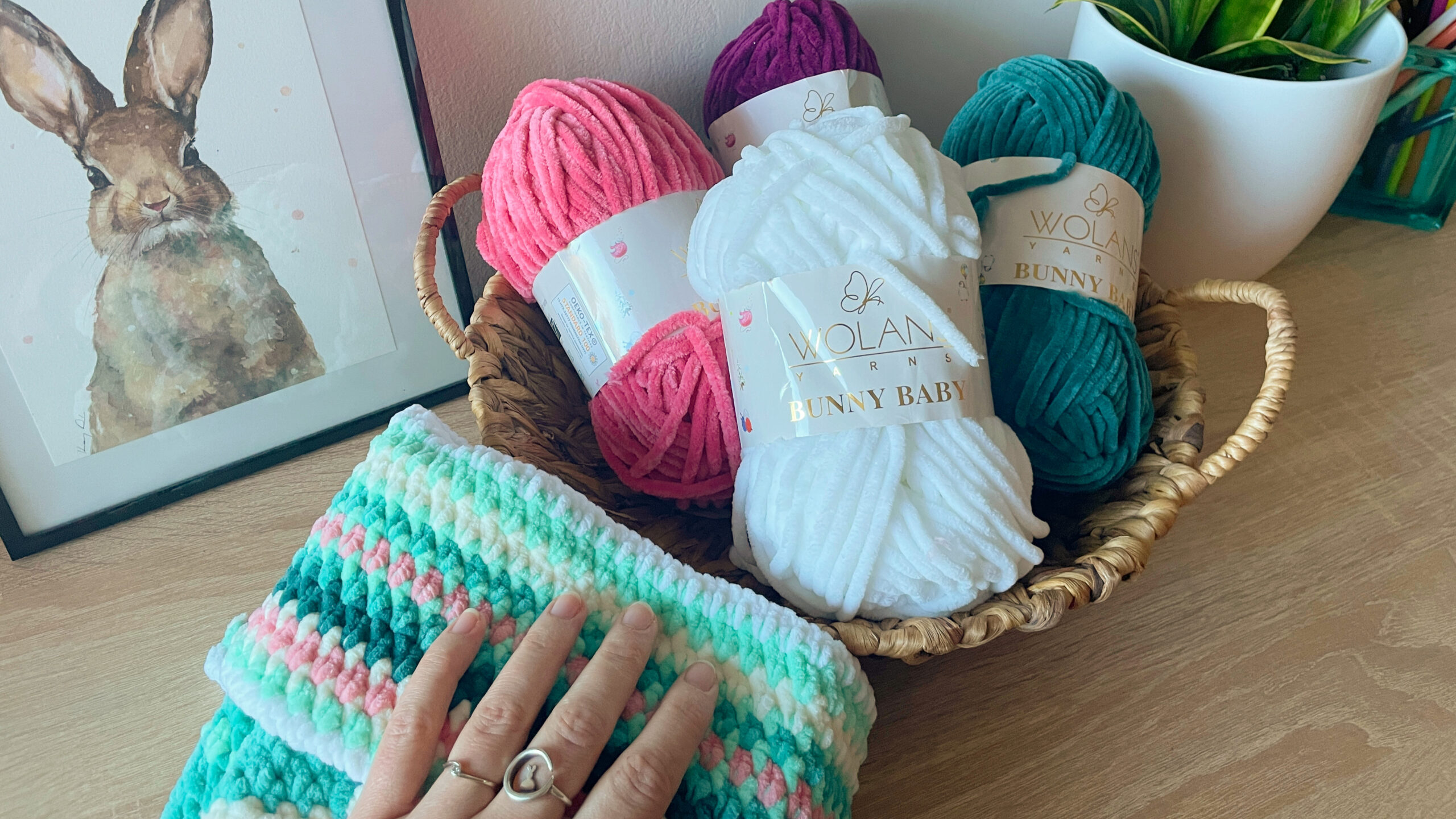
Photo: Own (Rebeka Novák-Szabó ev)
PRO
🔘 The first and most important - especially for products made for babies - It has OEKO-TEX STANDARD 100 certification, which means it can be used especially for babies and toddlersand products made from them.
I know that many people do not dare to give a toy made of chenille yarn to a baby because of the possible fluffing, but the I would come to the defense of plush yarns. Sure, it fluffs up during use, especially because you do other things with it while making the game, e.g. you might sew with it, or when you cut the thread it will come off. However, I did not experience this at all while using the game! Even so, my little boy has been skinning the toys I made from chenille yarn for more than 4 years, and I never once noticed that any of the toys were worn out. It is a fact that it loses its fluffiness during use due to a lot of skinning and saliva, but I think this happens with any textile of this type (e.g. with the minky blanket as well). So for those who have only this one complaint about genialia, I would like to reassure them that can be safely given to babies the yarn, if it has the OEKO-TEX STANDARD 100 certificate! Having a TÜV certificate is just an added bonus.
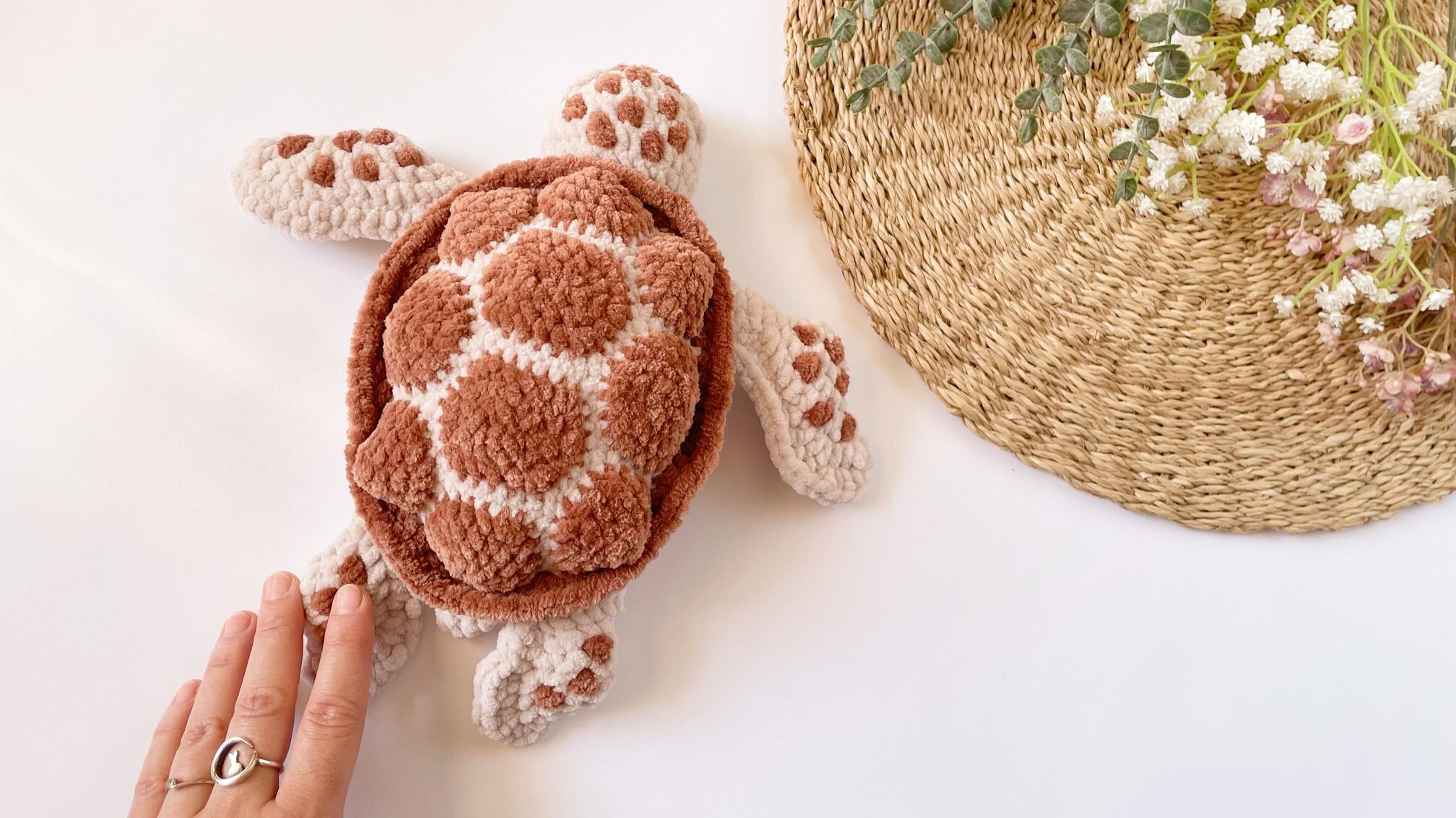
🔘 This yarn nvery soft, I think the end result is softer than the Himalayan Dolphin Baby. THE children love this soft, chenille yarn (too), so success is almost guaranteed if you make a toy out of it as a gift.
🔘 Perhaps this chenille yarn has the largest selection of colors, which is a non-negligible factor from the point of view of making amigurumi.
🔘 The best value for money on the market. In general, chenille yarns are more expensive, such as cotton or acrylic yarns, so the price of the raw material for a project can be higher than the cotton yarn, however, it has the best price among geniuses. For this reason, it is no coincidence that it is so popular among crocheters.
🔘 Very affordable. You can easily buy supplies of it online (or locally), which is not the least important if you are embarking on a larger project.
CONS
🔘 It is not made of natural material, so those who are allergic to its material, or who only want to use yarn of natural origin for their babies, should look for another alternative.
🔘 What else (usually, that also for all chenille yarns) disadvantage: it's hard to make a magic circle with it. If you need a little help, watch my video, in which I show that I how to make a magic circle with chenille yarns.
🔘 The disadvantage of yarn is that there are many of them they have difficulty seeing the eyes, so it requires some practice and experience to use it. If you want to work with this yarn before I suggest you try it with a smaller project, so you can see how well this breed suits you. I recommend it my free giant octopus pattern, for which half a skein is enough and can give you enough experience to decide if you want to start a more complicated project with it.
🔘 This thread does not hold up to sewing at all. Unfortunately temperature at my blanket it also becomes very bald during the processing of the threads. I was advised to completely strip the yarn for processing, so that the ends of the yarn can be hidden better (I haven't tried this yet, but I'll definitely give the method a try!). I don't think this thread is suitable for sewing amigurumi. Be sure to use a different thread for this thread to sew the body parts together. Although the chenille yarns in general they can tear more easily and they can't stand the many times of undoing, I've experienced that this yarn is a particularly sensitive type.
🔘 It will go bald much faster (even while crocheting) like a Himalayan Dolphin Baby. It is also less resistant to demolition, as the companion of the previously mentioned chenille. In such cases the fibers on the leading white thread often get crowded and knotted, which cannot be handled in any other way than with (vinegar) scissors.
🔘 A little thinner, sample Himalayan Dolphin Baby, so I could feel the difference within a project. For this thread for me the 4.5 mm crochet hook is large, for amigurumi I would use 3.5 or 4 mm needles, so the application of these two brands within a game is questionable for me.
OVERALL
THE I was satisfied with the end result, however, I I don't like to use it for making amigurumi, only if absolutely necessary. I think that a baby blanket or clothing can be very beautiful and comfortable to wear, especially if you have the ideal method for processing the fibers. ☺