Scheepjes Cahlista (50g/85m, 100% cotton)
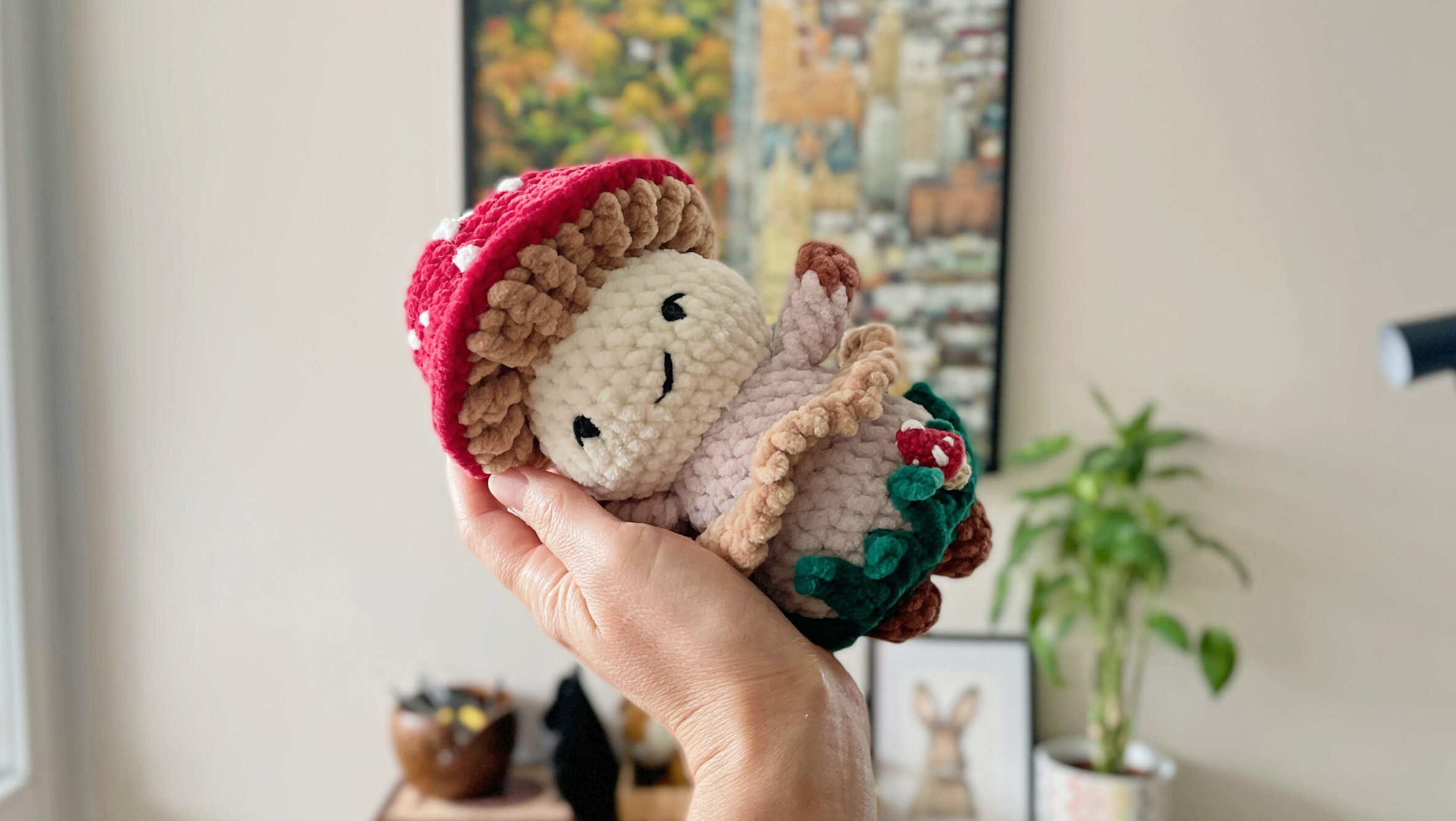
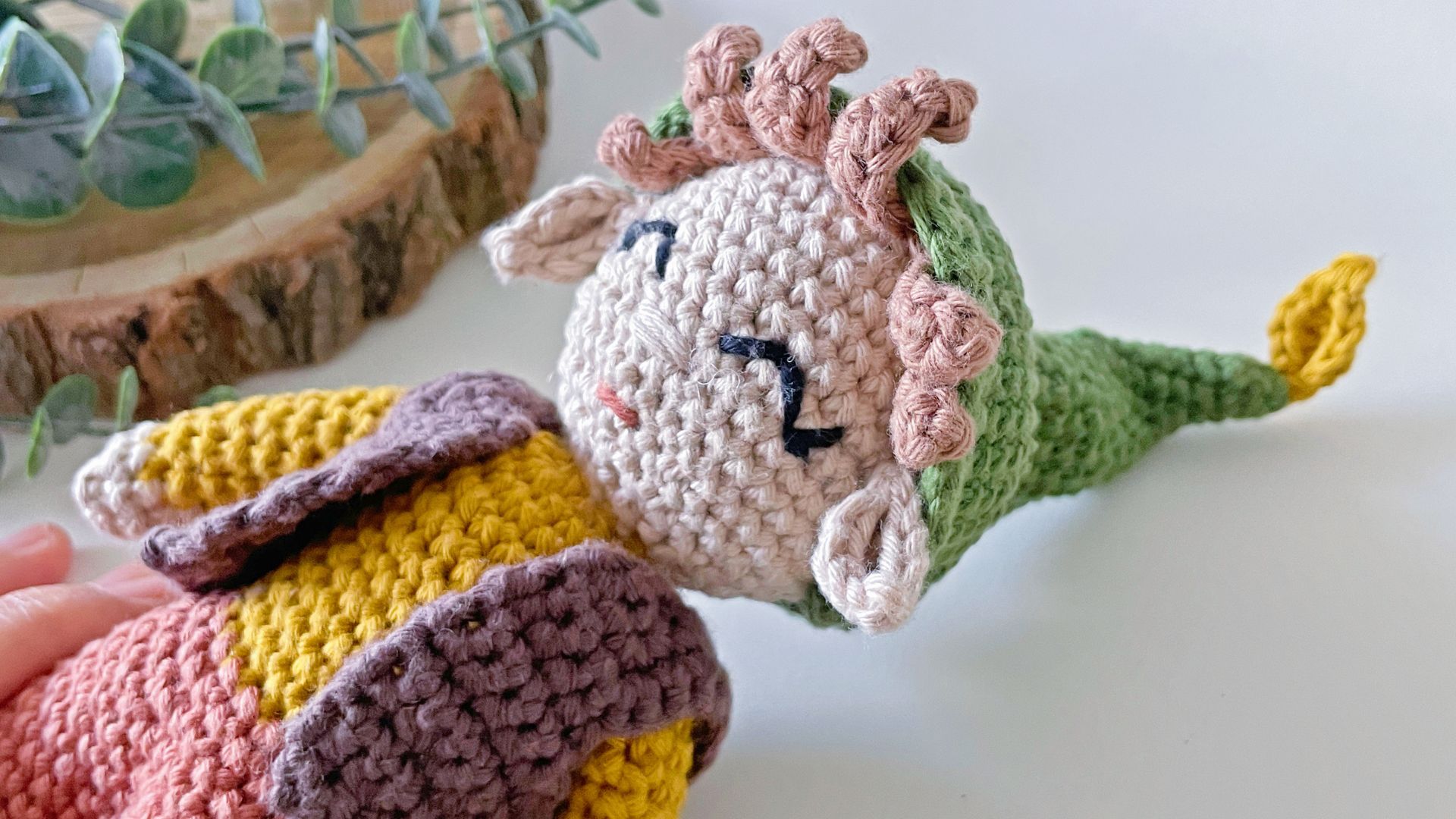
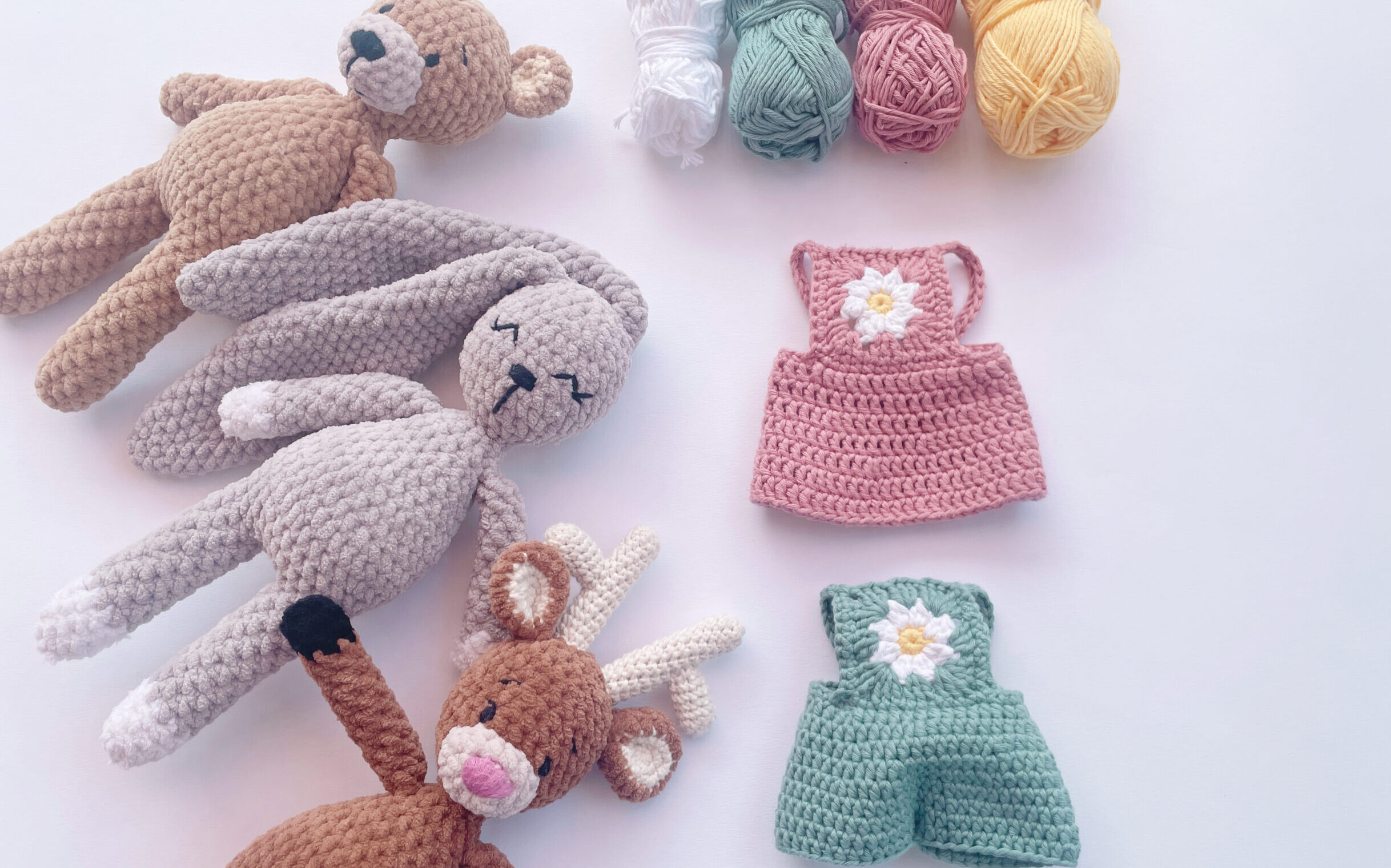
In the beginning, when I picked up a crochet hook again and started my design career, I came across this yarn at a local yarn store. It met my expectations at the time in every way, since I was looking for a thicker cotton yarn that it goes well with my favorite chenille yarn, the for Himalaya Dolphin Baby, so that I can decorate my planned nap scarf series in more detail (at first even the Snooze Teddy, Snooze Deer or the Snooze Fox some parts were made with this yarn). When I found this yarn in the store, I was very happy, because it was ideal in thickness and there were many colors available. Thanks to the fact that I received criticism from several fronts regarding my designs, that they are made of chenille yarn and that I offer them to children, so as you can read from my previous articles, I researched the topic. The first one anyway CoripI also made mine from this yarn, but as it turned out that the yarn was not suitable for the purpose and was too large in size, I kept it for ourselves. My arguments remain the same OEKO-TEX and other certifications I confirm, however unfortunately this thread doesn't have them. I searched everywhere, until finally the I confirmed this sad fact on the manufacturer's website and that's why I replaced it this super yarn a Drop Paris, also excellent for yarn.
THE Scheepjes brand by the way, it's extremely likable for me. The yarn is made in the Netherlands and offers many types and varieties of yarn for crocheters and other yarn lovers. Scheepjes Catona is fully identical to the Schachenmayr Catania with its parameters, which for me is still very tempting and once it is I'm sure that in life I'll take Scheepjes Chunky Monkey and some member of the Stoned wash family. Their beautiful colors encourage you to create, and you immediately want to make something from their gradient yarns. Looking at the manufacturer's site, I saw that they don't like to tie certificates to people's noses, only if (I think) the sales require it, they don't want to share this with customers citing business secrets.

Photo: Own (Rebeka Novák-Szabó ev)
PRO
🔘 Its component 100% cotton, so it can be a great choice for those who are fans of naturalness!
🔘 Although it is not mercerized, it can still be washed at 60 degrees. which is not the last feature in the case of crocheted household items or bags.
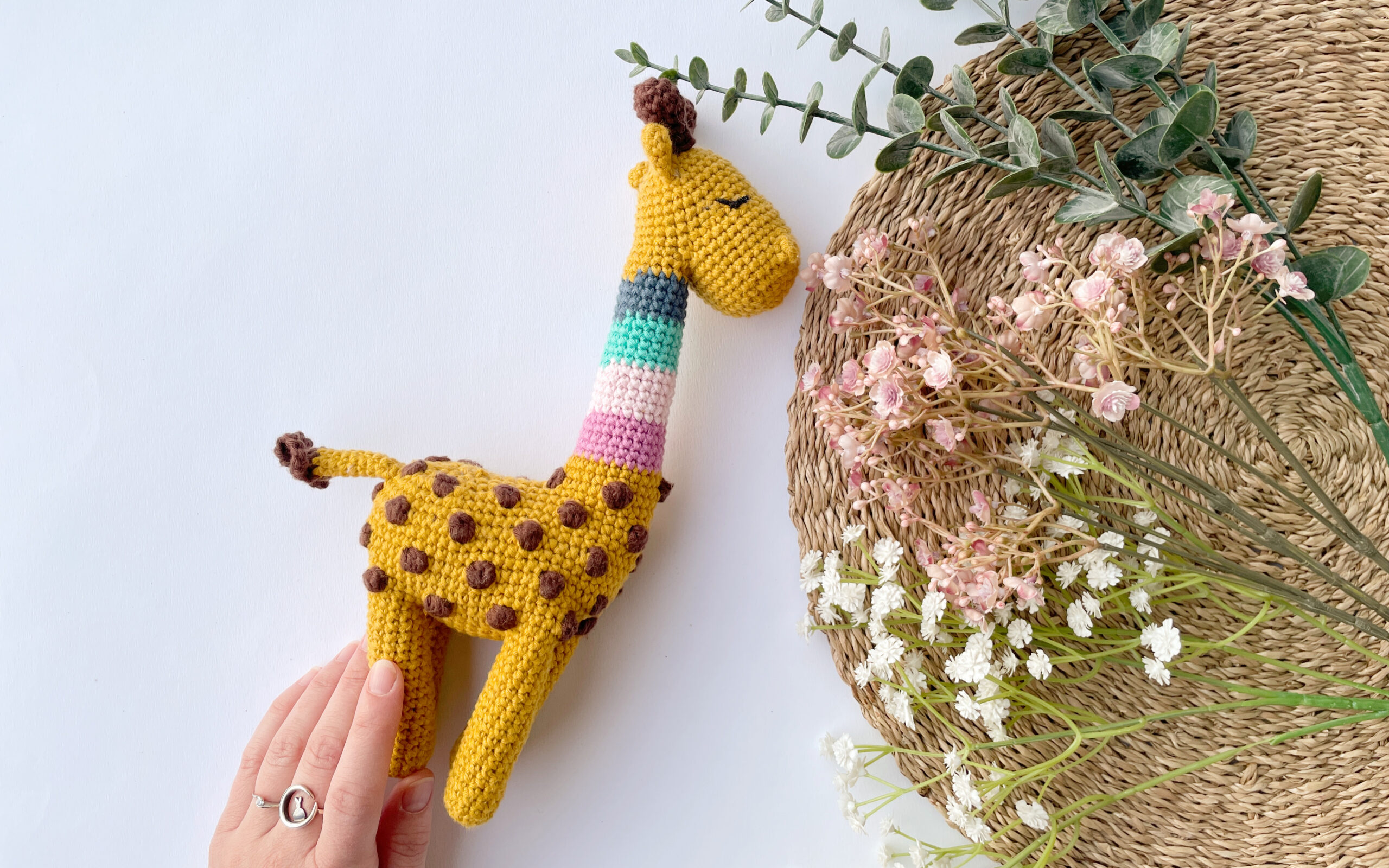
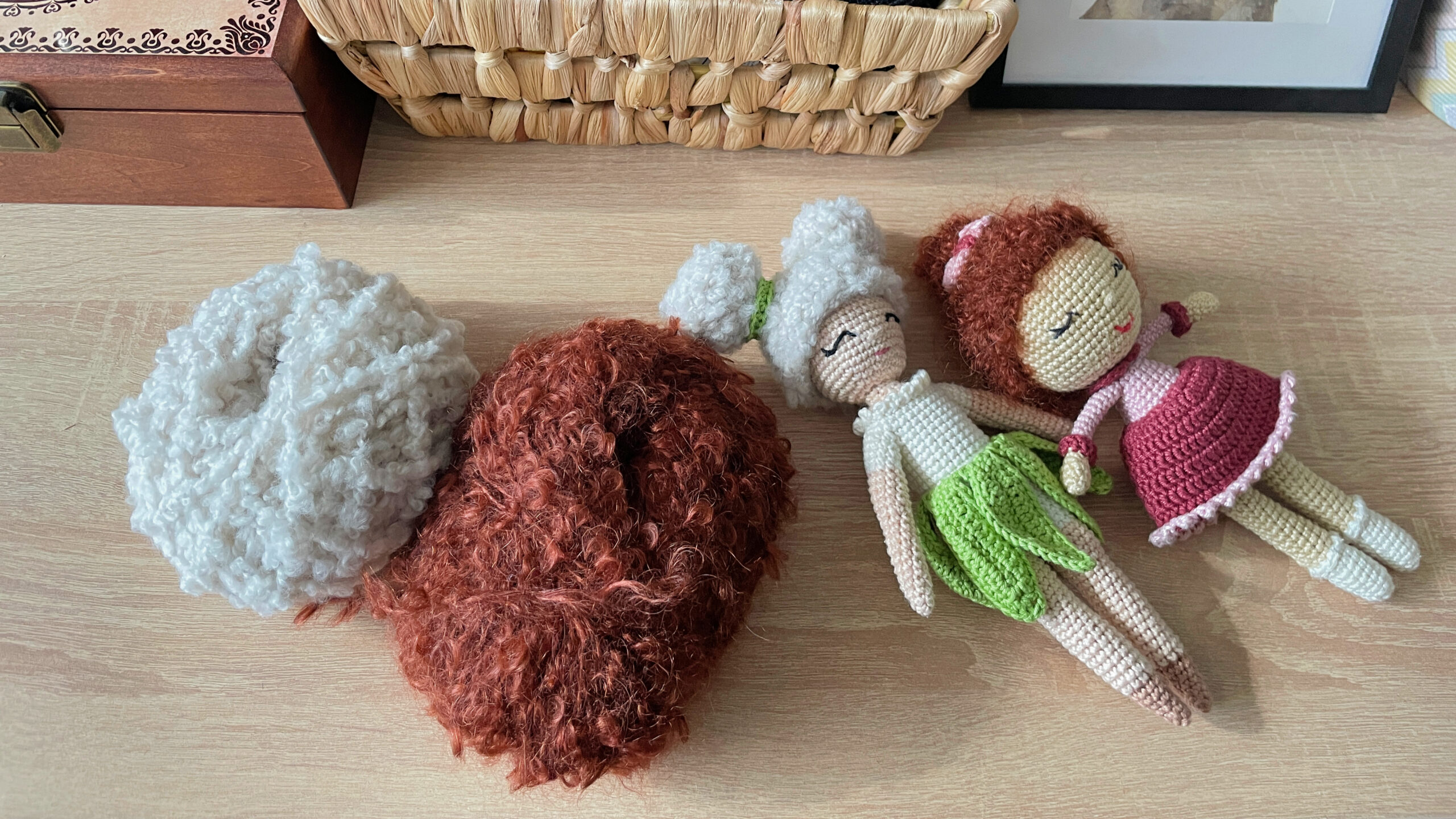
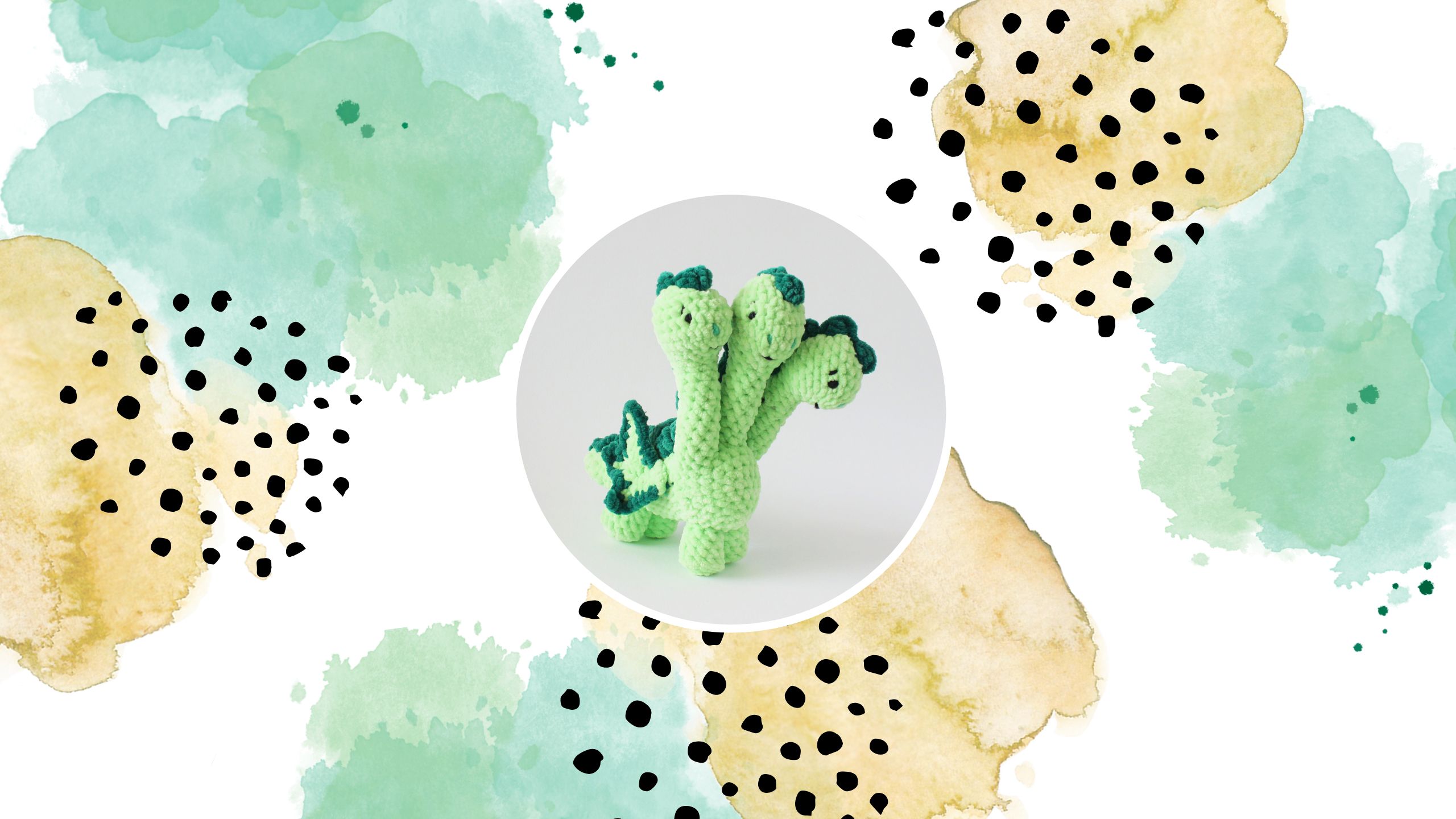
🔘 Right it does not have an OEKO-TEX certificate, but it can be used for making amigurumi, storage baskets, and small bags for older children.
🔘 A huge selection of colors - the colors are the same as those of its thinner mercerized counterpart Catona - can be found from it, so also ideal for making amigurumi. You can also buy a set of it, so if a skein came in, you can get it in more colors at a more favorable price. Due to its color selection, it can be ideal for tapestry projects or wall decorations.
🔘 Soft cotton yarn, it has a super good surface and very durable pieces are made from it.
🔘 Durable yarn, good to crochet with. Even though the yarn shows that it has been spun from several strands, the needle does not get stuck in it and it does not tear as hard as other yarns when sewing. It does not fray when crocheting, it is easy to crochet with.
🔘 Very good value for money.
CONS
🔘 Unfortunately does not have an OEKO-TEX certificate, or with another standard that would prove that a toy could be made for small children and babies, so I do not recommend it for this purpose. (I obtained the information from the manufacturer's website, the existence of the certificate is only mentioned where the yarn has it. If not mentioned does not have.)
🔘 Unfortunately, it is very difficult to obtain in Hungary. This was the case when I found it, not long after, the local yarn shop took it out of its range and while searching on the internet, I realized that this yarn was not really widely distributed in the country, even though other Scheepjes brand yarns are more easily available.
🔘 It doesn't slide as much on the crochet hook (which could be a positive thing), me I crochet more slowly with it, such as. with chenille or mercerized cotton.
🔘 It is often difficult to sew with it. My problem here is not the tearing, but the thickness of the yarn.
OVERALL
I really like this yarn, I think it is a very high quality material. There is only one reason because I don't use it, namely lack of OEKO-TEX certificate or TÜV certificate. Since I typically make toys for children and I don't necessarily know the age group in advance, I go to the safe side and work with yarn that is suitable for use by any age group. By the way, if the yarn were more readily available, I would definitely make a crocheted decorative object out of it (wall decoration or cushion cover), or an accessory for our home that can be used practically in everyday life, or even a crocheted bag.