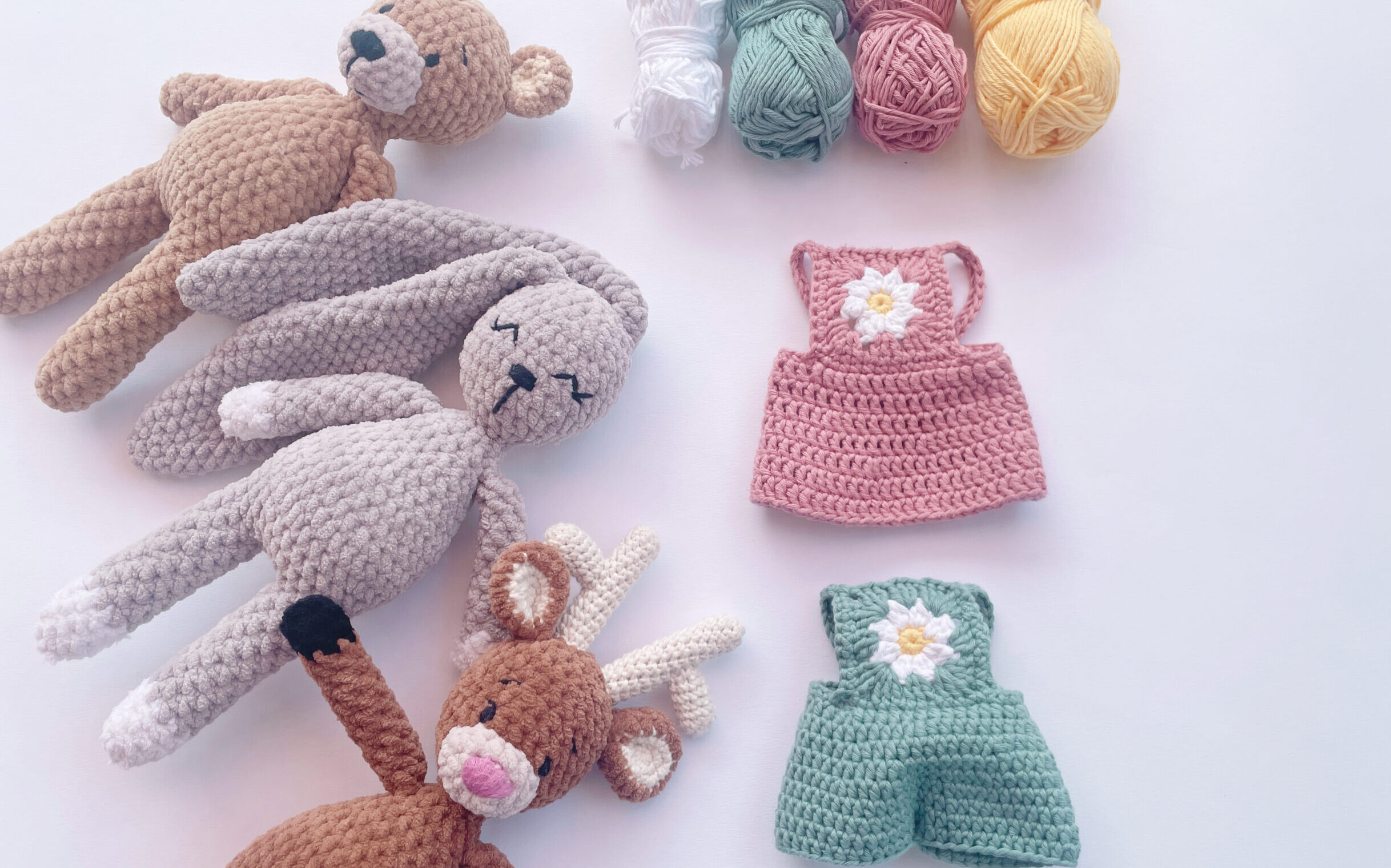
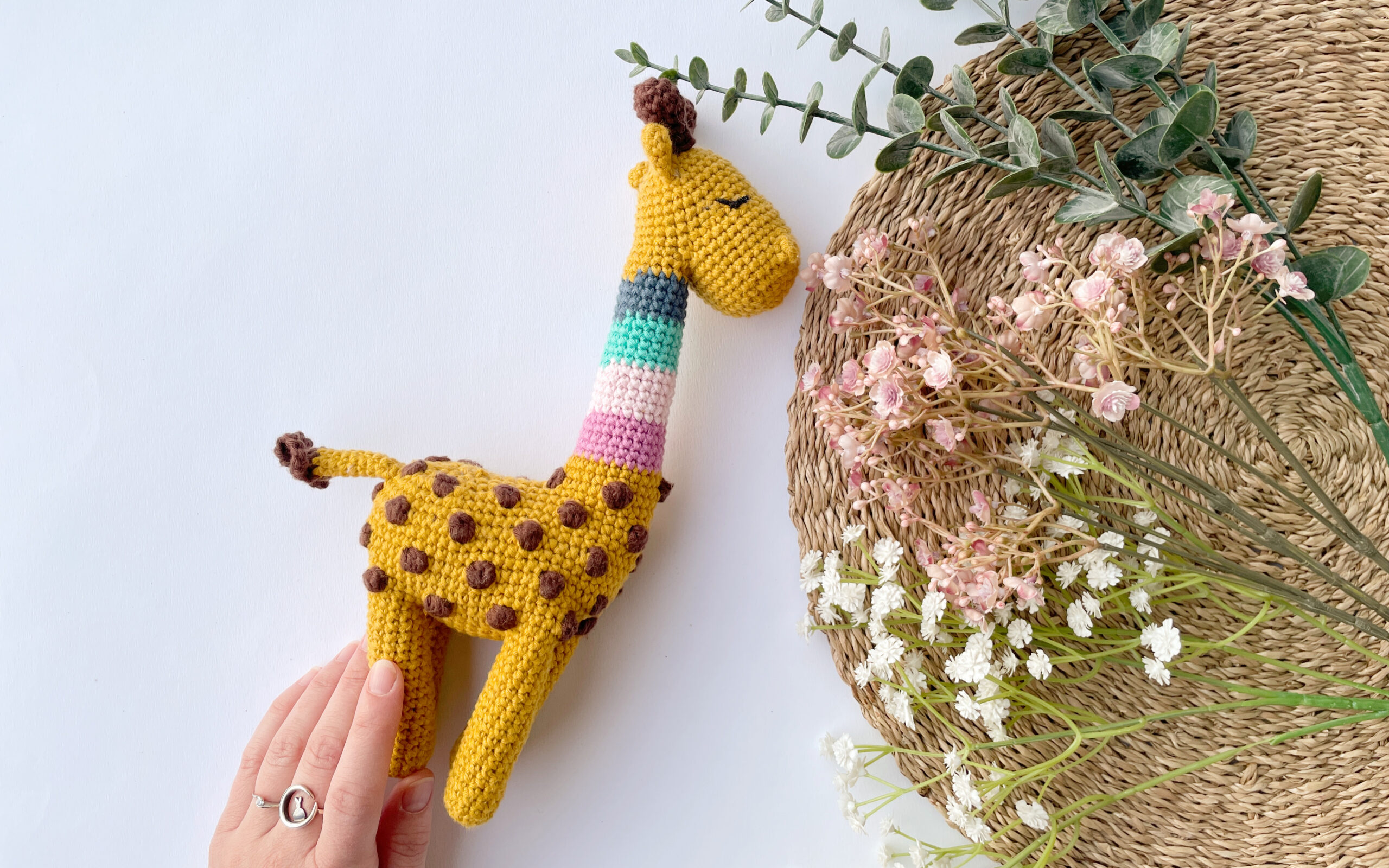
I used to watch my children in awe when they showed themselves in an exciting role play. In our family, the most typical are car role plays, and they really like to cook and shop in the kitchenette. It is at such times that I slurp up the coffee I have received with teary eyes, or bite into it crocheted into my magnetic hamburger and I can see my little boy's sparkling eyes, that he is sincerely waiting for my opinion on whether it was delicious. Every family has a different love language, one of them is cooking delicious food, and this is beautifully expressed in my children's play. Unfortunately, I have to say that role-playing is not my forte. While I let my creativity run wild when designing crochet figures, I feel downright unimaginative and clumsy in these games. However, I know how important role-playing is in children's mental development, so I will have to practice this form of play over the years to make it better.

Photo: Pexels
Why is it important to role play with children?
Research proves that a playing role-playing games is very important in children's lives, not only in terms of gaming, but it is in the processing of emotional stimuli and mental-social development too. As a parent, grandparent, or person working with children, it is very important to include this form of play when connecting with children. Role-plays give children the opportunity to put themselves in someone else's shoes and experience their emotions again in a safe environment, to process them, and with the help of the adult actor to learn the appropriate behavior in a bad situation.
It's with the child Among common games, a very valuable form is role-playing, because children are different they can assume roles, and they can act out real or imaginary scenarios. With these situational games, hiding behind a mask, they can gain experience in a safe emotional environment or they can assume roles. This kind of game helps them to be develop basic skills such as communication, socialization and understanding others.
Role-playing games have a major impact on children's cognitive development. This is the kind of game it stimulates their ability to think, solve problems and make decisions. Through role-playing, children they learn to navigate social situations, to see ahead in some situations a consequences, and strategies are developed - even together with an adult - to overcome challenges. During the game anyway their language skills also improve, as they enrich themselves with new vocabulary during various dialogues and learn social and communication situations.
Role play provides a safe space for children to express and understand their emotions. Hiding in the assumed roles they can know and learn about different points of view, emotions and social dynamics. That's the way the game is played it encourages empathy, cooperation and communication with their playmates, friends or siblings. It helps children in developing self-awareness, in understanding the feelings and needs of others. They can experience difficult and joyful life situations for them and learn appropriate behaviors while playing.
One of the most important parts of this type of game is that it stimulates the child's imagination and nurtures his creative thinking. With role play, they can turn everyday objects into magic, promote storytelling skills, and develop the ability to think out of the ordinary. They are encouraged to invent scenarios, solve problems and explore endless possibilities, fueling their creativity.
The effect of role-playing on the child
THE the most important feature of role-playing games is that children understand the world around them – including social, social norms and behaviors – operation. Besides it has many advantages for this type of game:
- develop the children communication and language skills
- they can act out and interpret real life situations in the company of an adult
- supports the desire to explore, gives room for experimentation
- develops social skills, helps you learn how to cooperate and connect with others
- they learn to sympathize with others, to understand the intentions and feelings of the other person (i.e. mentalization), along with that they learn it empathy and understanding different points of view
- in a safe environment they can express their feelings and ideas
- develop this kind of game is self-awareness, self-confidence
- with the help of their imagination their creativity develops.
How can a parent help or participate in the role plays?
A parent can best help a child in role-playing if open-ended situations and so on provides a variety of games, which can include scenarios with many different outcomes. The most suitable tools for this are a babies, action figures, plush toys, costumes and kitchen toys. In addition, it is important that the adult should provide a space for the game where the child can play freely and without interruption without any distractions (e.g. TV, computer, phone).

Photo: Pexels
It is important that if the adult part of the game, then immerse yourself sincerely in your role. In such cases, you can provide a special experience for the child by having the adult also dress up in the role entrusted to him. It helps the game if the adult encourages dialogue, and participates interactively in the joint game. It's better during dialogues asks open-ended questions the adult, on the other hand, with closed-ended questions, to which it is sufficient for the child to answer yes or no. It is important that let the adult experience both positive and negative feelings for the child, as it colors his spiritual world and makes it easier for him to deal with his possible bad feelings in real life situations.
Ideas for role plays
The range of role-playing games is inexhaustible, but there are a couple interesting role play idea, which stimulates the children's imagination and they are happy to participate in it:
- Shop/restaurant game: Let's set up an imaginary shop or restaurant, where we can switch roles to be customers, cashiers, cooks or guests. In this case, very much crocheted dishes are good, which we made for the children.
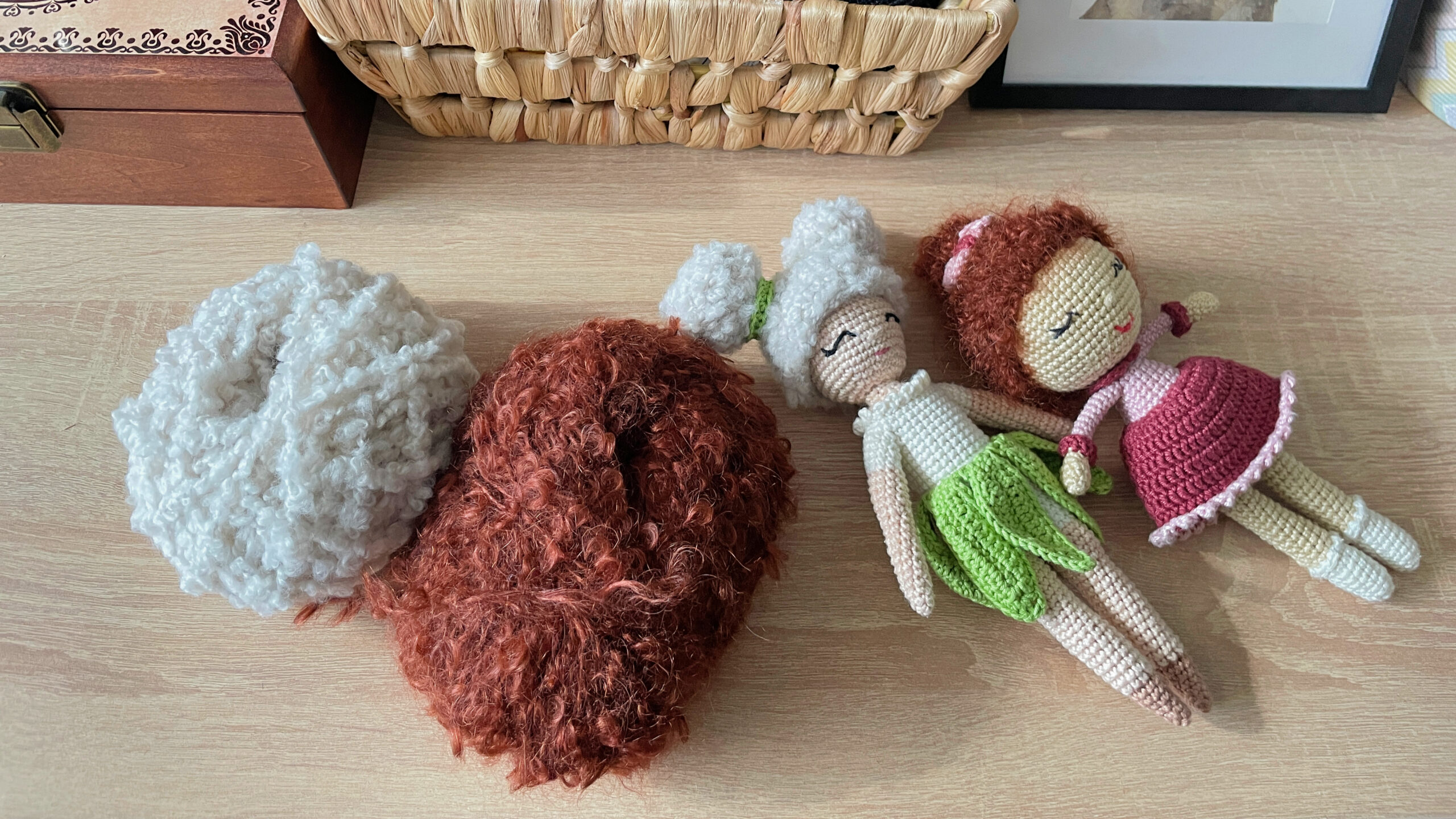
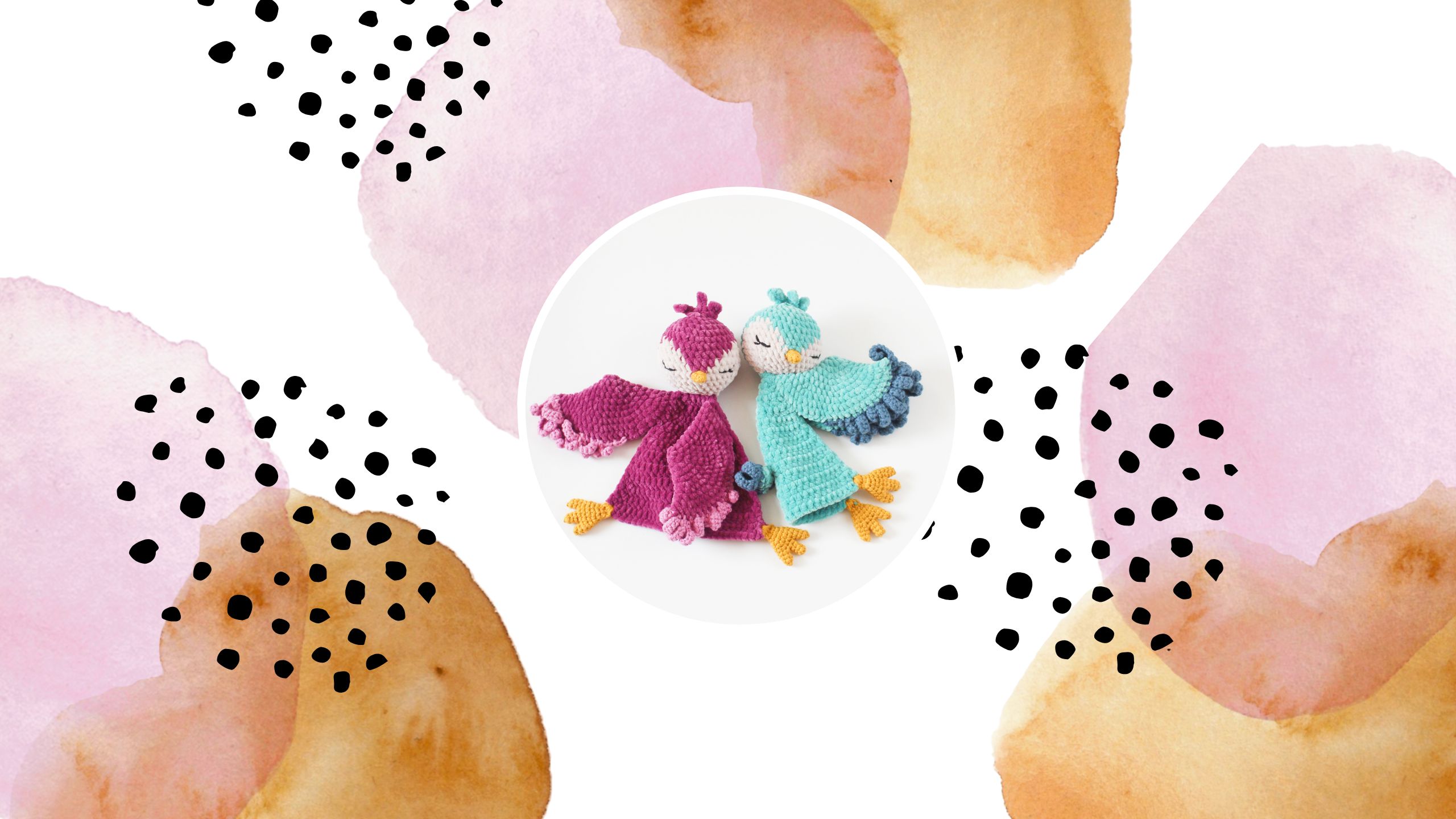
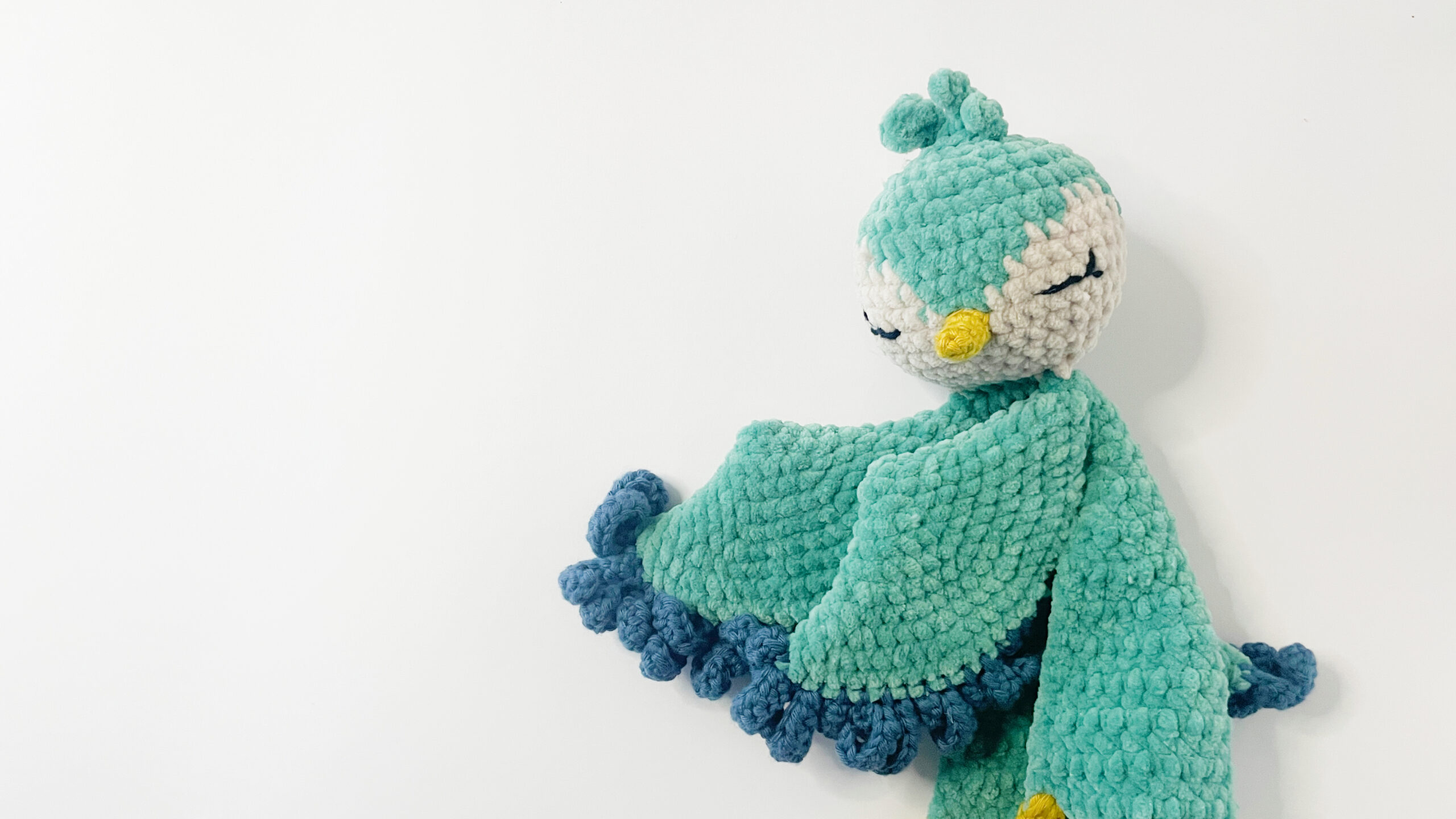
- Doctor's office: Let's turn a corner of our home into a doctor's office, where the child can be a doctor, nurse or patient according to their choice. In this case ready-made crocheted toys can also be easily included, since each available figure can be a patient who can be cured.
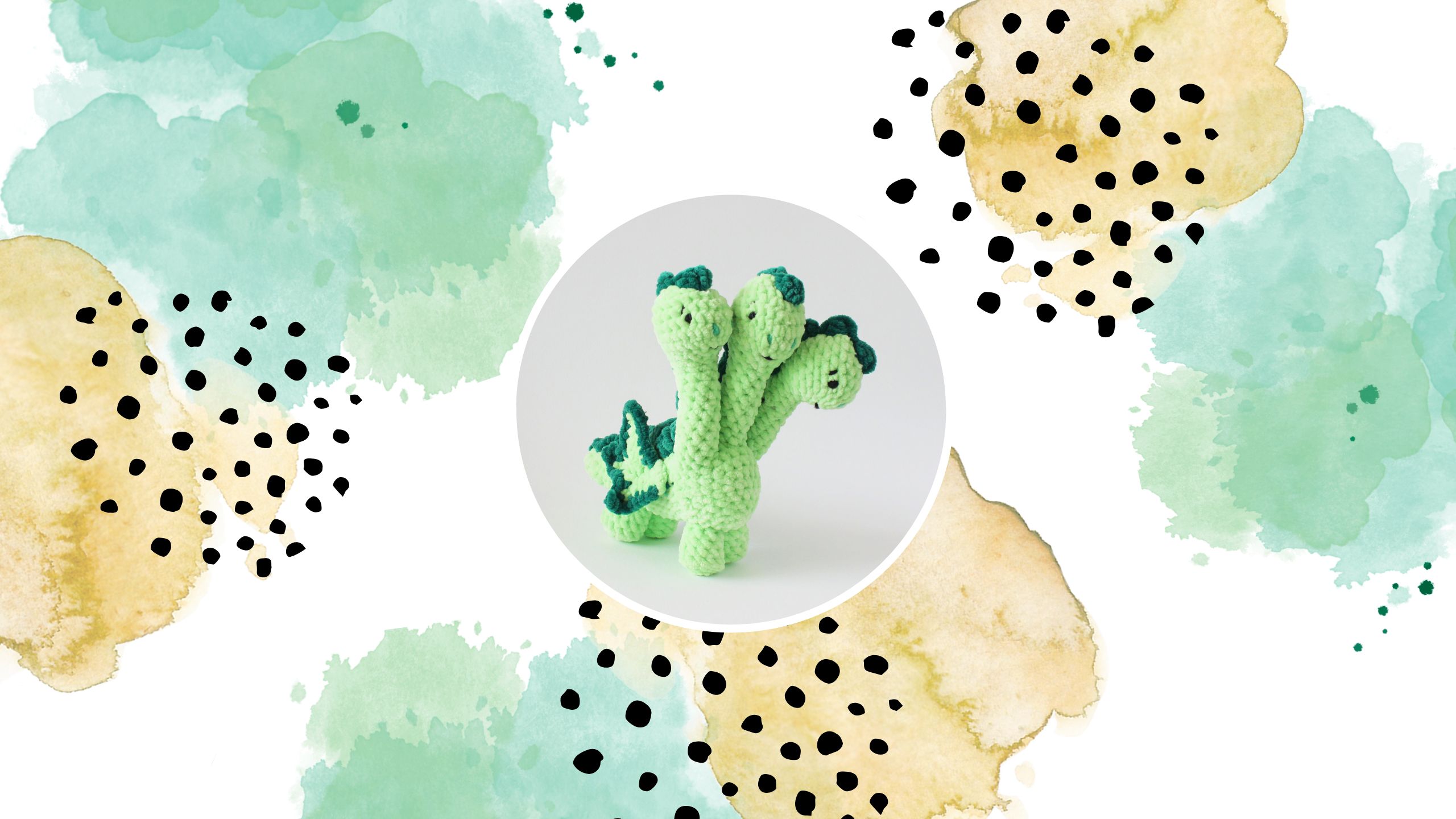
- Camping: with this outdoor game, we can convey the atmosphere of camping to the children. Of course, it is also possible to create a playground indoors, during which children can experience what camping is really like. In such cases, you can build a bunker (both indoors and outdoors), build an improvised (not real) campfire, or go on a discovery tour. They also come in handy during the role play crocheted dishes, or you can add a character that seems scary to children to your game, such as crocheted fox, wolf, monsters, spiders. Even in these game situations, we can help the child to fight his fears.
- Mini theater: By creating a puppet theater at home, we can help children not be afraid to act in front of others, and we can also develop their storytelling skills, where the child can invent his own stories and characters, incorporating his own emotional world. During puppetry, you can use any crochet figure, around which the child can invent a story.
Sources:
https://jatekpszichologia.hu/termekkategoria/kategoriak-szerint/szerepjatekok/
https://www.earlystartgroup.com/nursery/importance-of-role-playing/