Transitional subject
"The term transitional means that this object is a kind of transition between the state of fusion with the mother and the state of separation from her. If the baby misses its mother, this object will calm it down and give it a sense of security. He can always be there with him when the person important to him is not present. A temporary object is an object of comfort for the child, which plays an important role in a specific phase of his life, and the parent must respect this, emphasized Winnicott, British pediatrician and psychoanalyst." (Gerekszoba.hu)
A concept already known to most parents today separation anxiety. At the age of 6-7 months, babies realize that their mother is a separate person independent of them. In this period they have a hard time coping with their mother's absence, they are not yet able to recall the memory and image of their mother. The the absence of mom fills the baby with tension, often shows inconsolable crying that he does not feel safe.
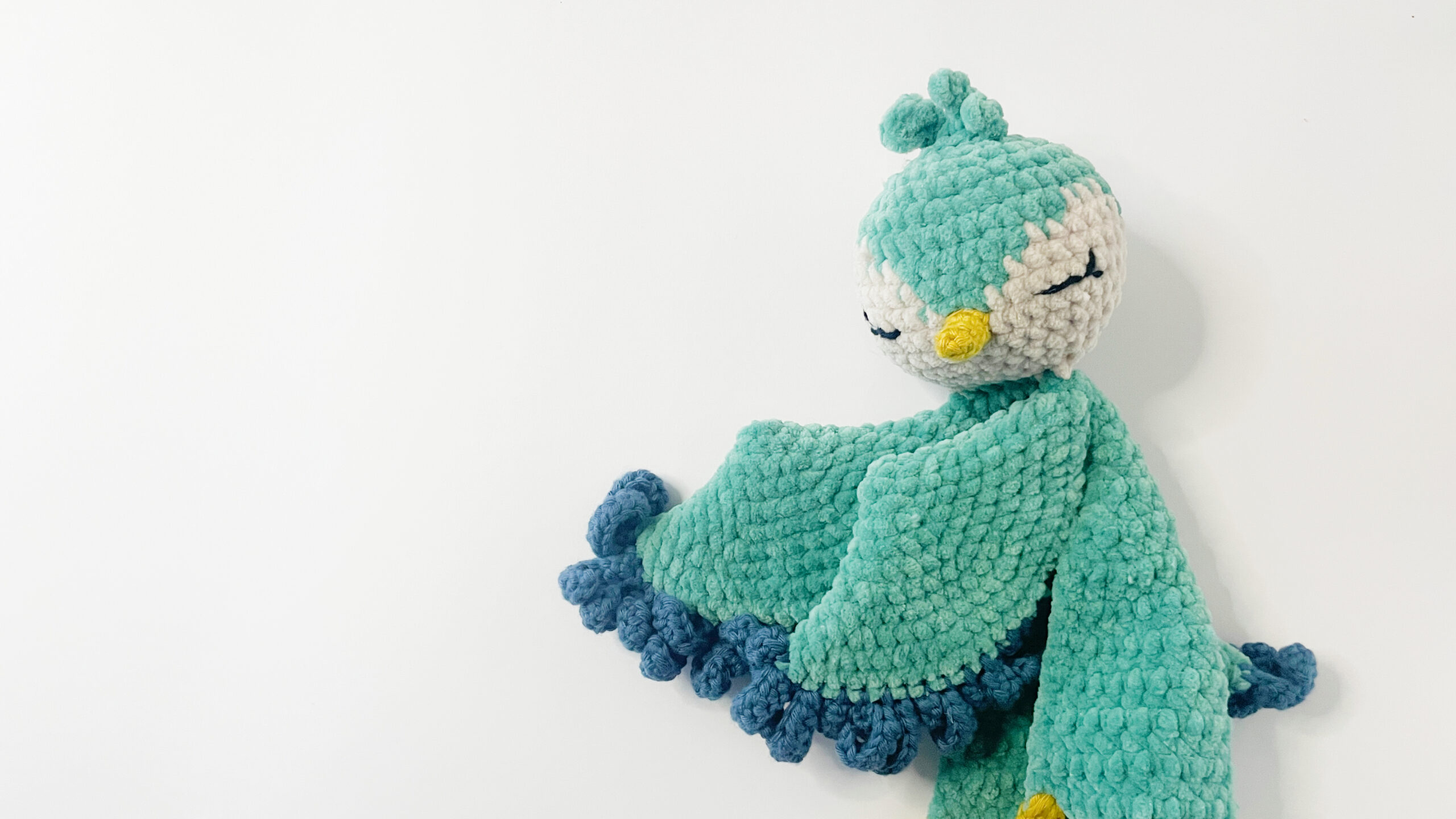
Babies choose a sleeping favorite when they are 8-12 months old, which is usually a soft blanket, pillow or stuffed animal or pacifier or nap cloth or whatever. Most importantly, these objects "contain" positive feelings associated with the mother. They can give comfort and reassurance to the little ones when they can't be with their mom. They help children in difficult life situations, for example when getting used to nursery/kindergarten, when a little sibling is born. They are also useful when dealing with failures and stressful situations they increase the child's sense of security, reduce the currently experienced stress and anxiety. It develops the ability to self-soothe, which is an important ability in terms of behavioral and emotional regulation.
Transitional objects only work properly if the mother-child relationship is stable, the mother can respond appropriately to the baby's needs and their relationship is safe and full of love. But it can also be seen as the first manifestation of independence. When mother is not present, the child has free control over the object of comfort, taking it with him when he wants and putting it aside when he does not feel the need. In this way, he experiences that he is also able to exercise control in the world.
What should you pay attention to regarding your favorite subject?
- The children usually choose their own clothes, but we can help them choose. With the chosen swaddle, it is good if the mother/father and the small child hug it together at bedtime or when reading a story, and it is at hand when comforting or during a medical examination. This helps the "formation" of its soft properties.
- Always have it handy! Take them with you wherever they go.
- For safety's sake have a "spare" copy. Children can distinguish it from the original anyway, but it's good to have it in case of an emergency.
- Do not wash, because they change the smell and texture of the object, break the permanence and continuity of the liquid. If washing is still necessary, it is important to discuss it with the child beforehand. If possible, let it dry for the evening anesthesia at the latest.
- NEVER punish the little one by taking it away from him!
Designer recommendation
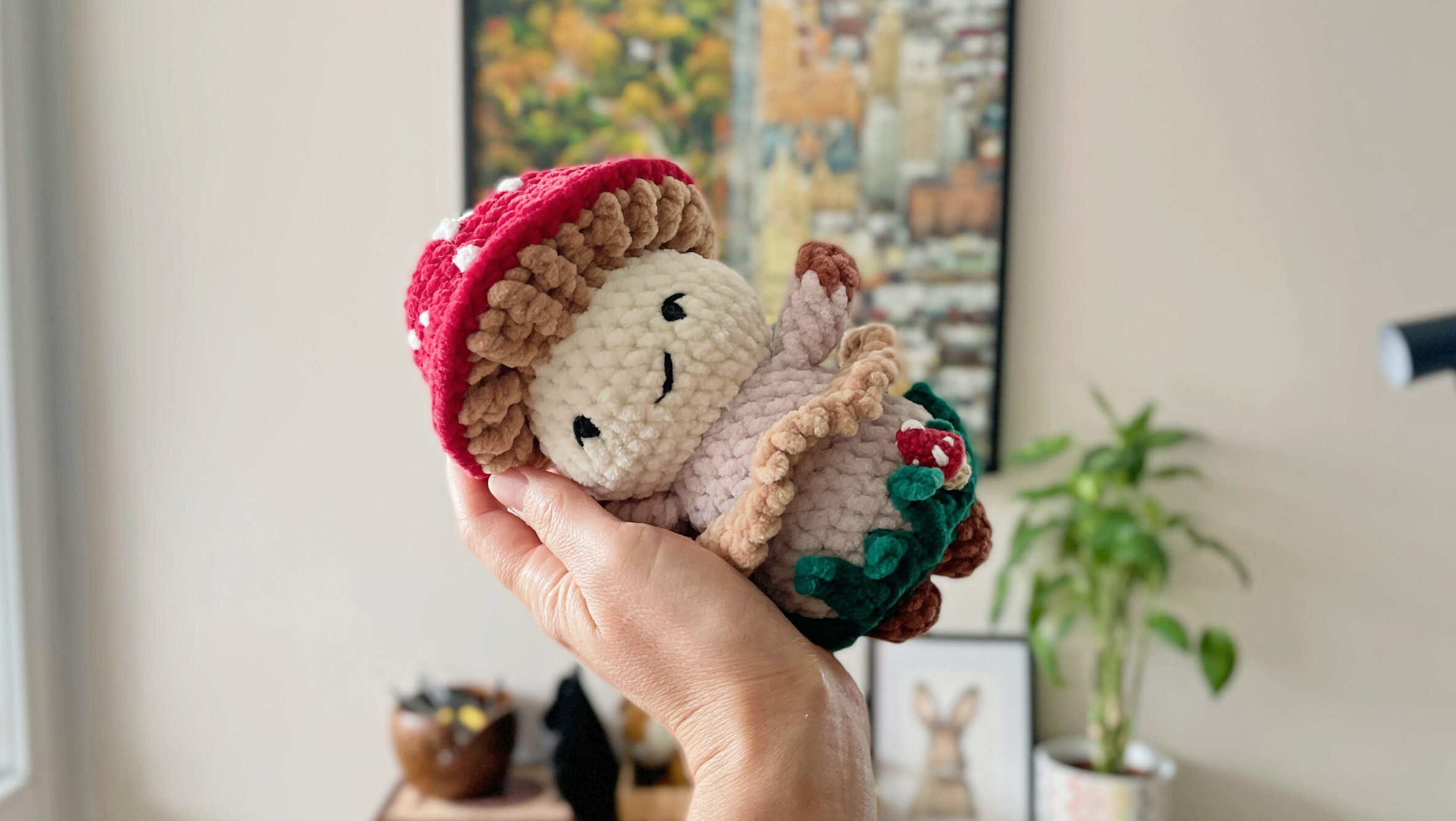
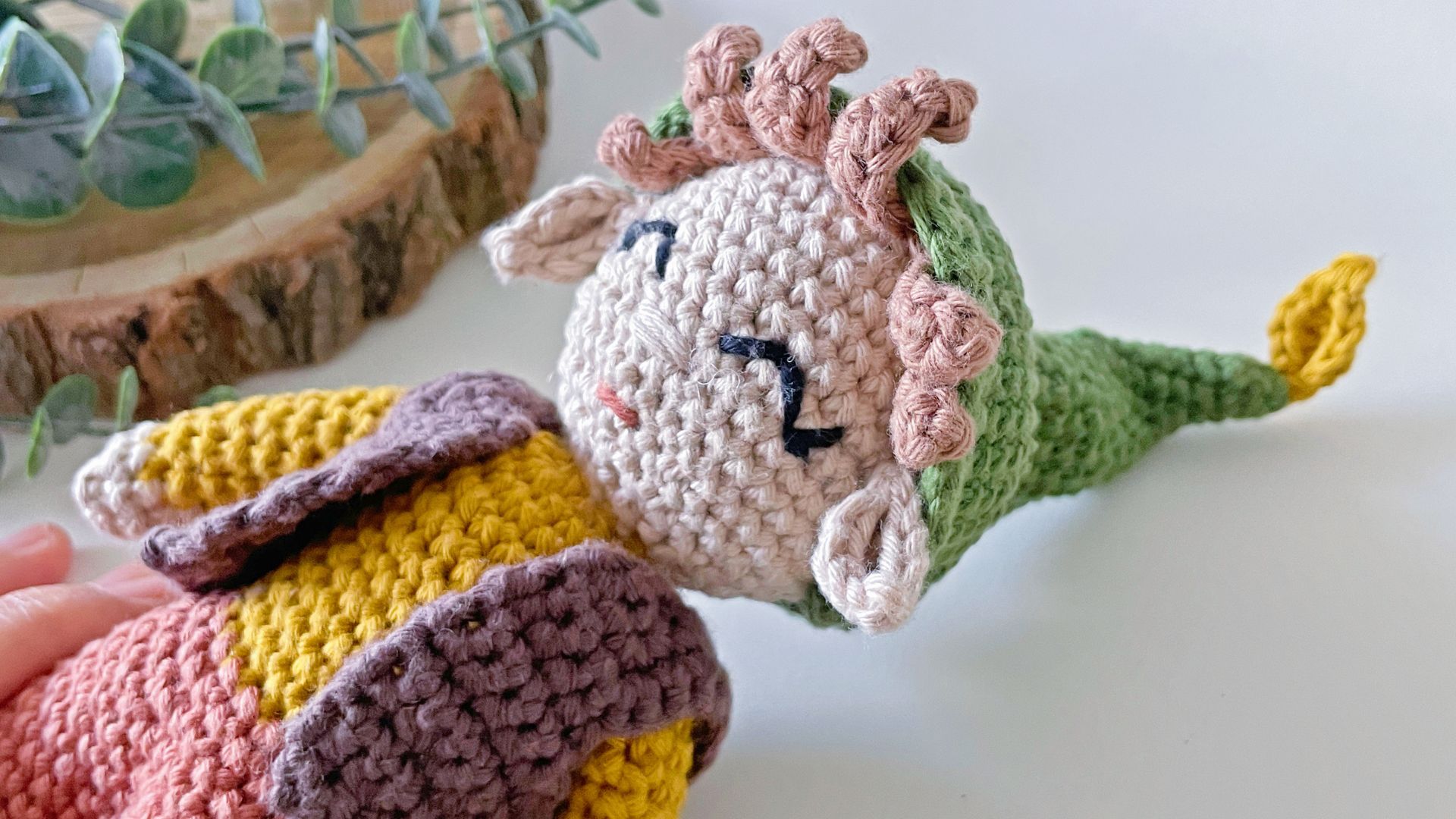
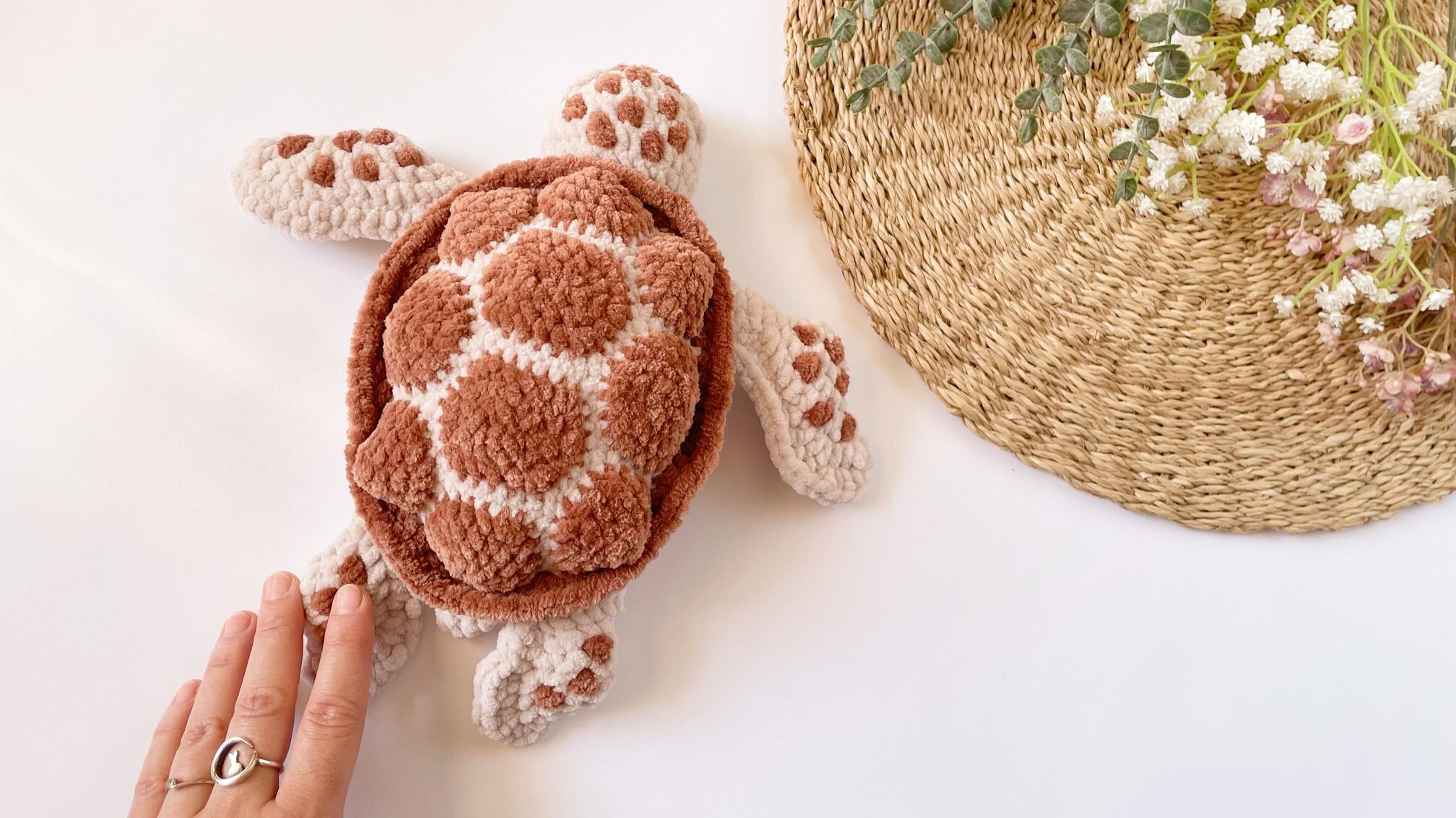
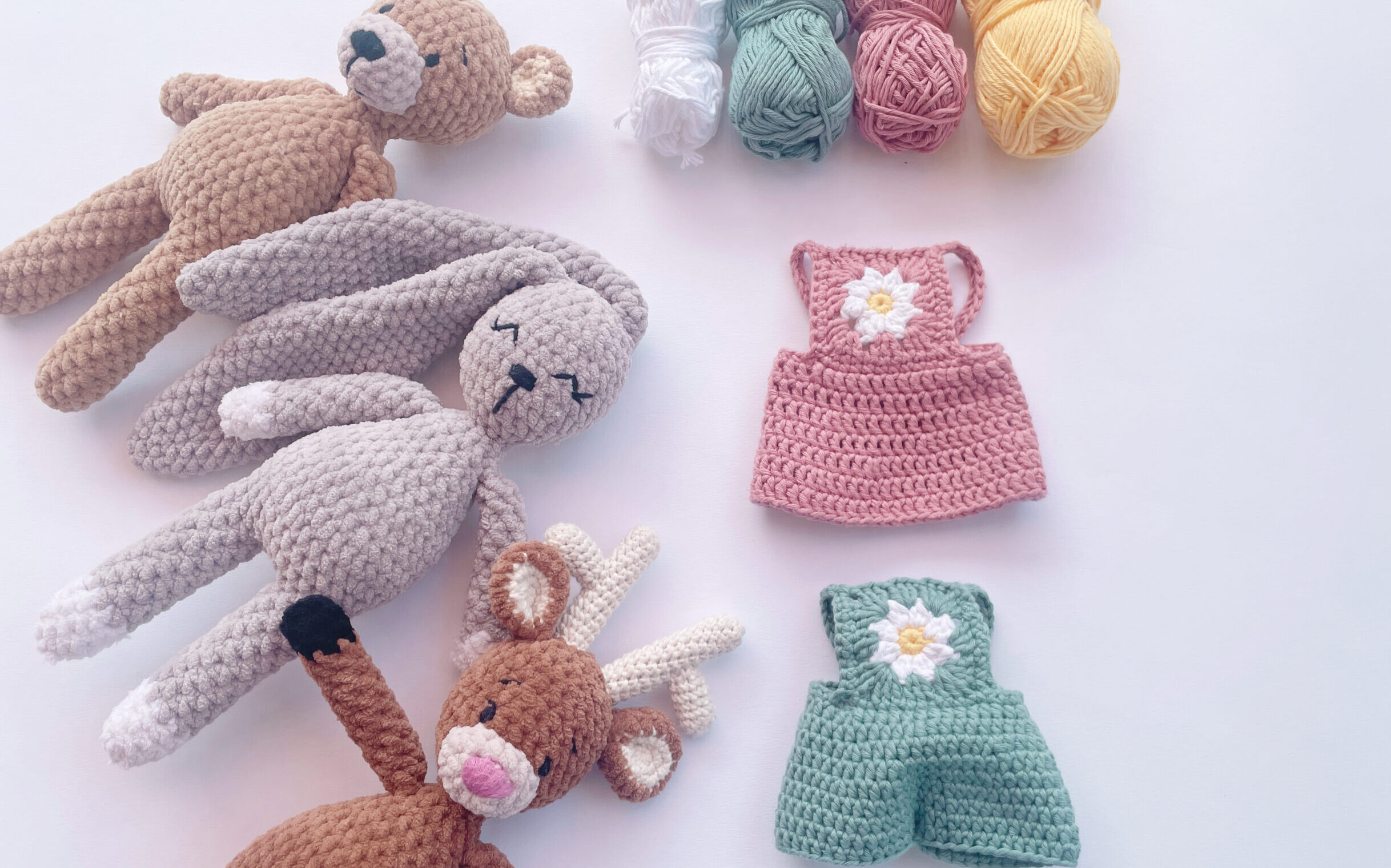
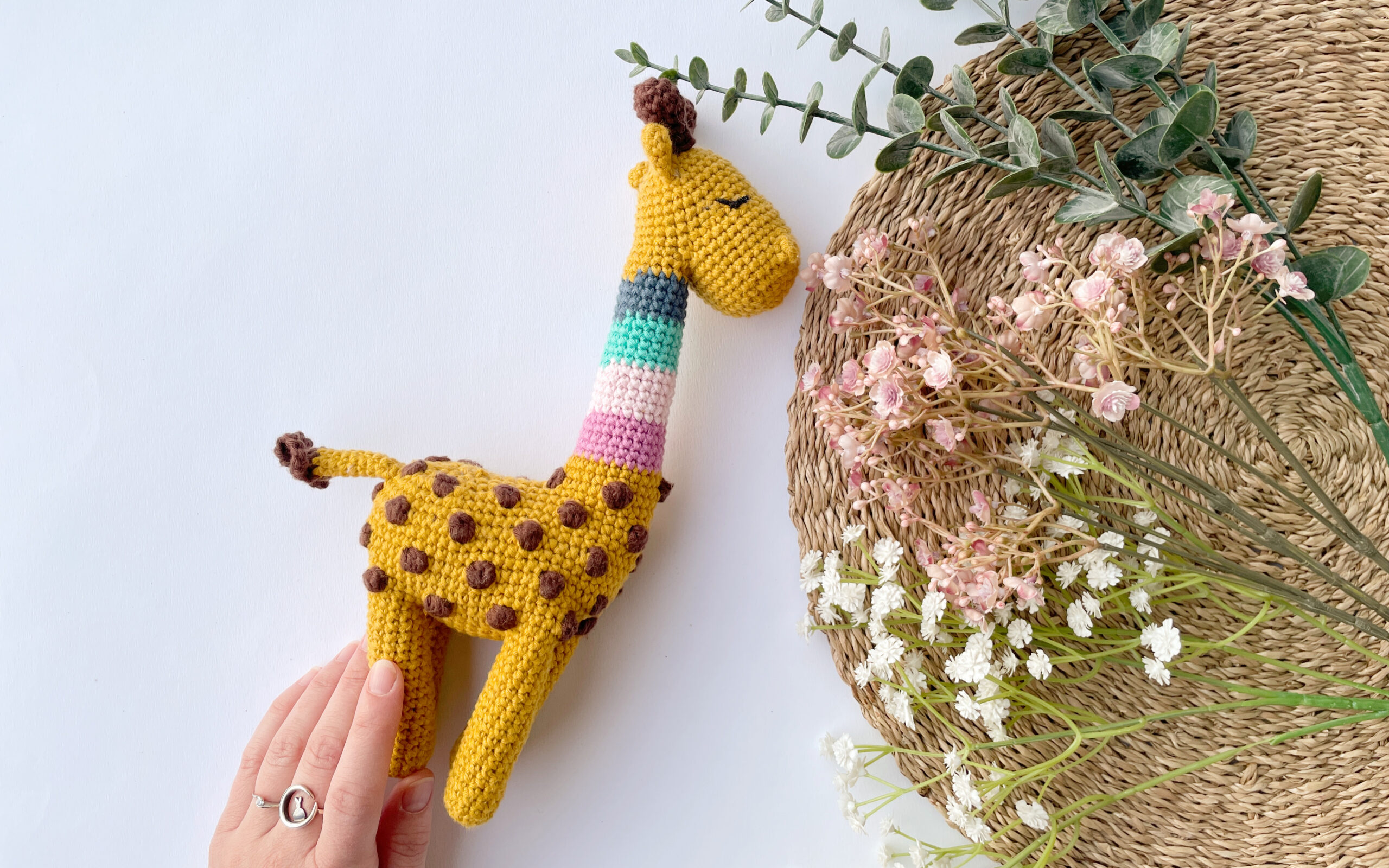
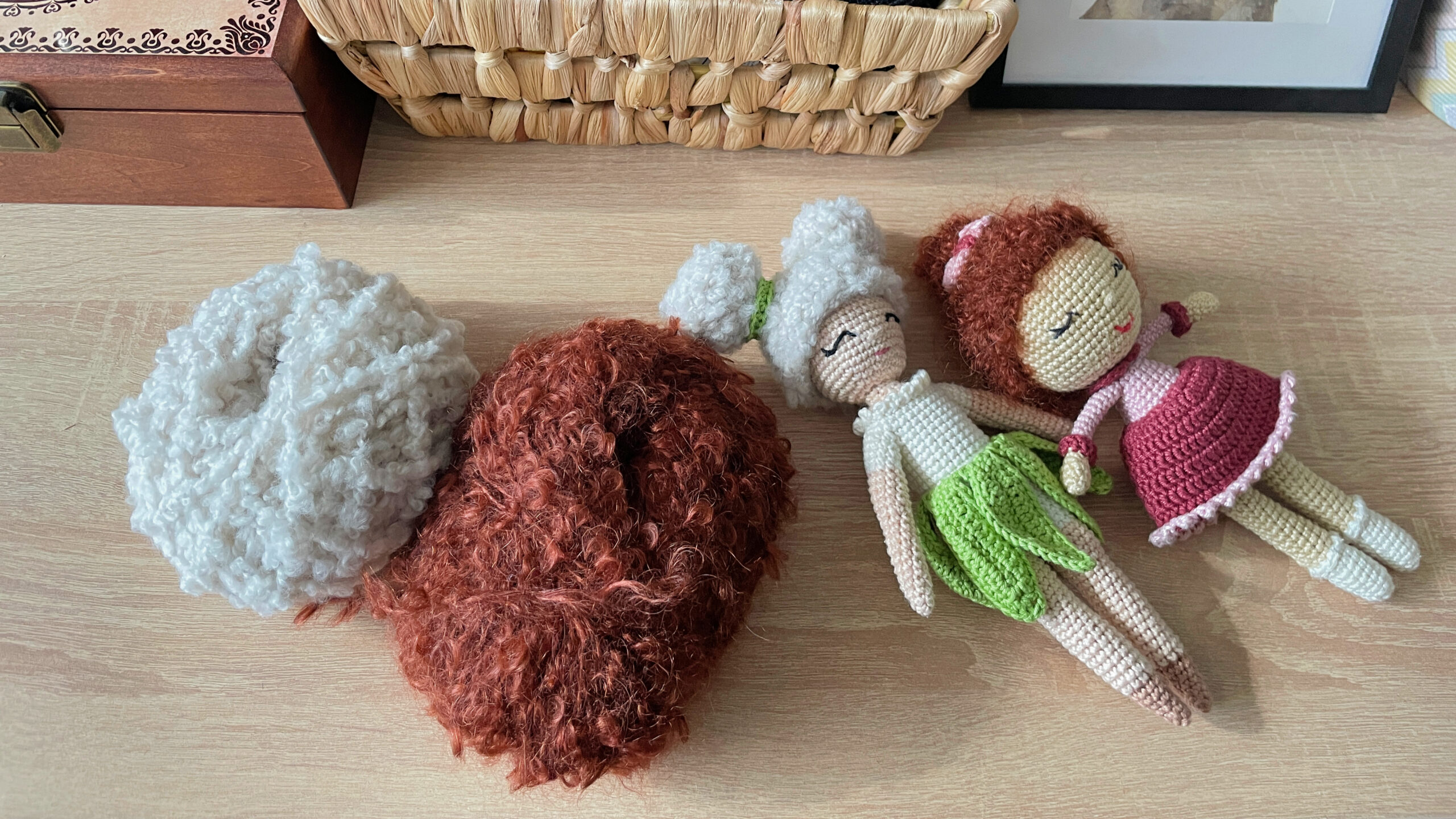
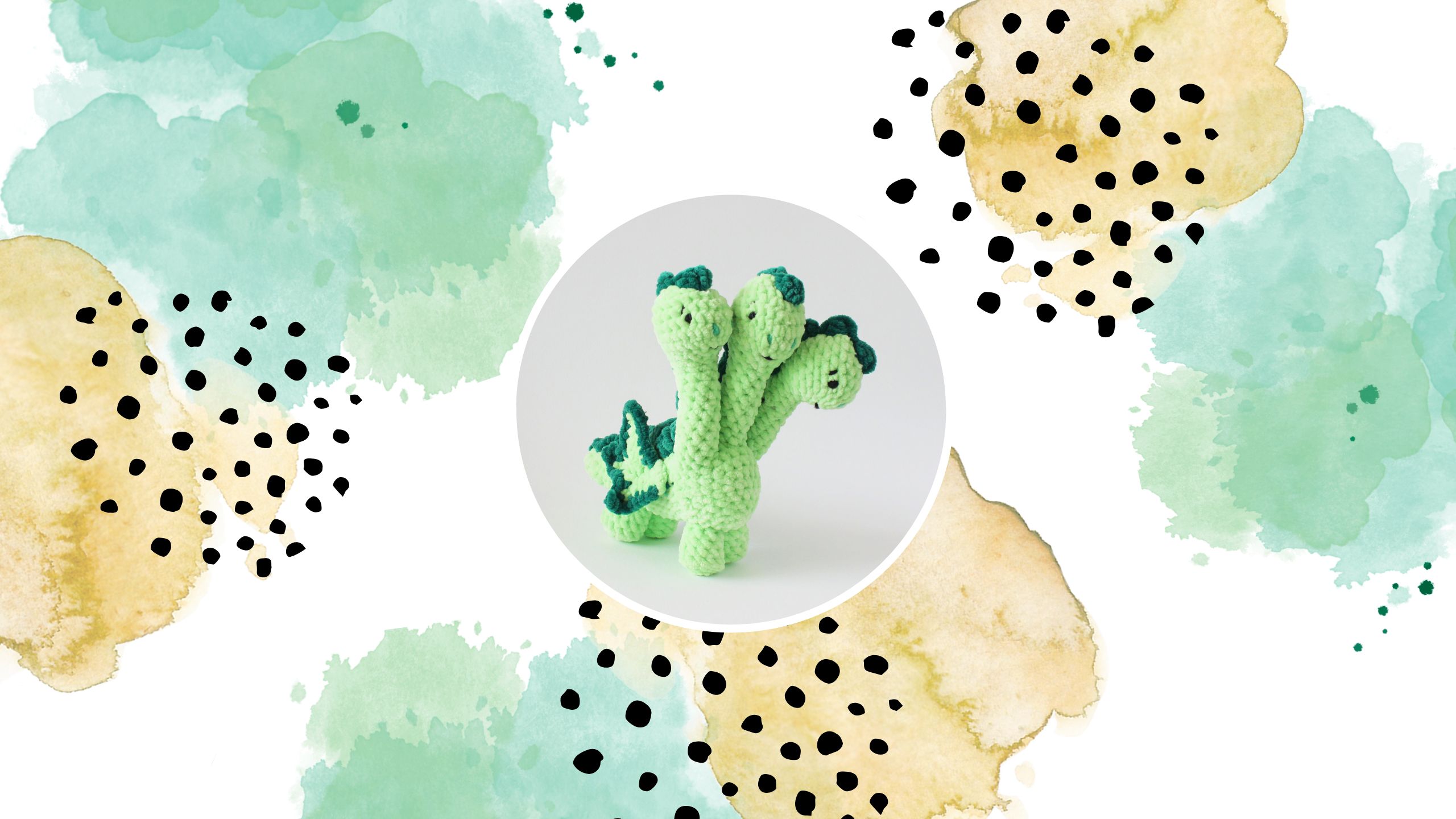
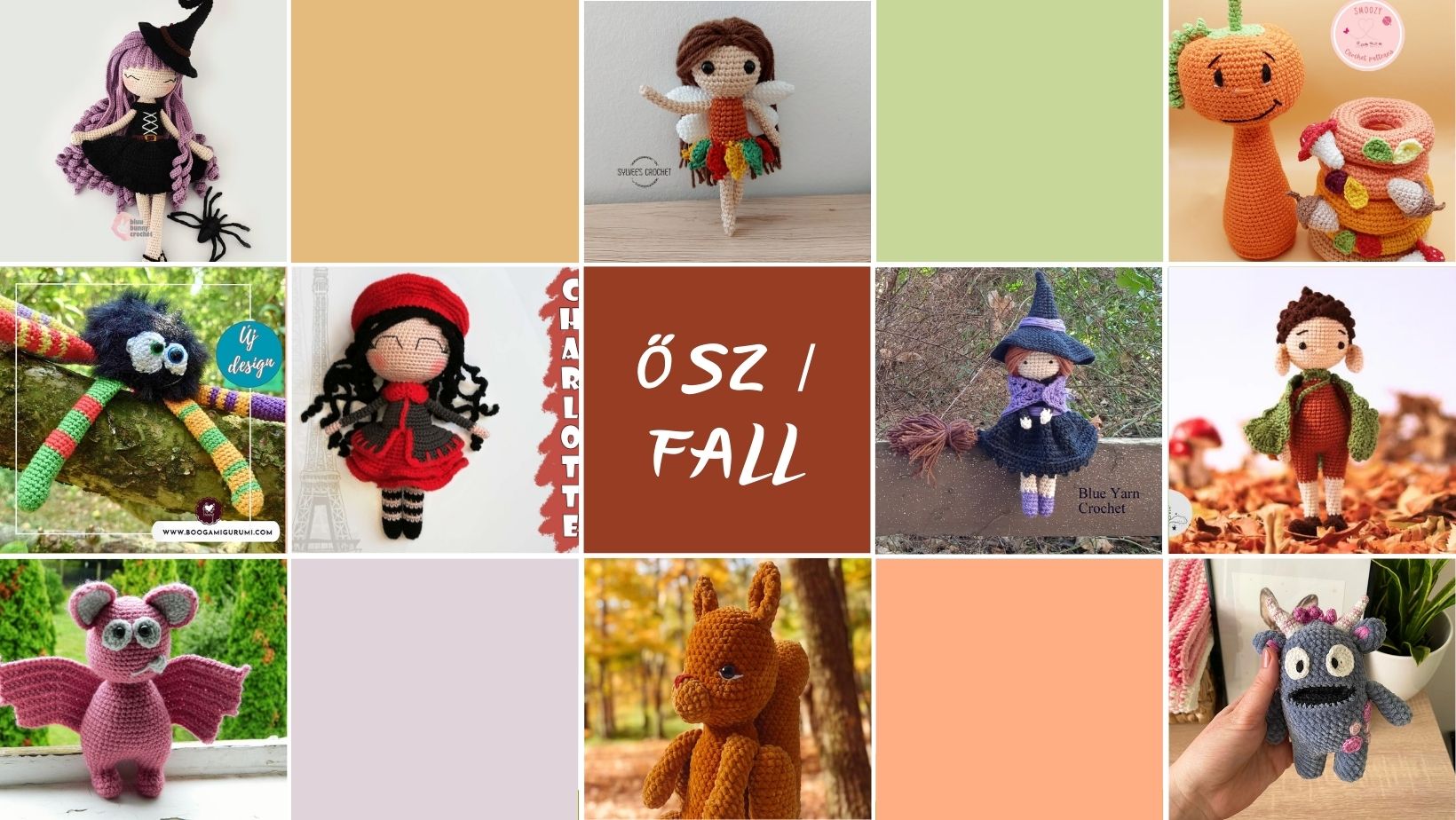
If you want to make it yourself a lifelong friend for your baby, look around the my crochet patterns between. There are plush toys and special nap cloths as well. All of the snooze crochet patterns also have a version for older people, so if you would later replace the snooze cloth with a plush toy or doll, you can make it later with the same design, in a big girl/big boy version. The packages are also ideal for siblings can be a solution, since with the arrival of the little brother, the older child doesn't feel left behind either, and can enjoy a similar, but not the same toy as the one made for the little brother. Of course, this can also be achieved by making the same pattern in a different color combination, so the children can clearly distinguish which toy belongs to whom.
The nap scarf crochet patterns they were written on chenille yarn, if you make it with it, choose a type that has OEKO-TEX Standard 100 certification. THE For children under 3 years old, embroider the eyes of the toys instead of a safety eye! The embroidery videos on my YouTube channel can help with this. If you want to crochet from a natural material (e.g. cotton, wool), choose yarn of a similar thickness to the one I used, because then the game will be the right size. Feel free to write if you need help choosing yarn Me here or on one of my social media pages.